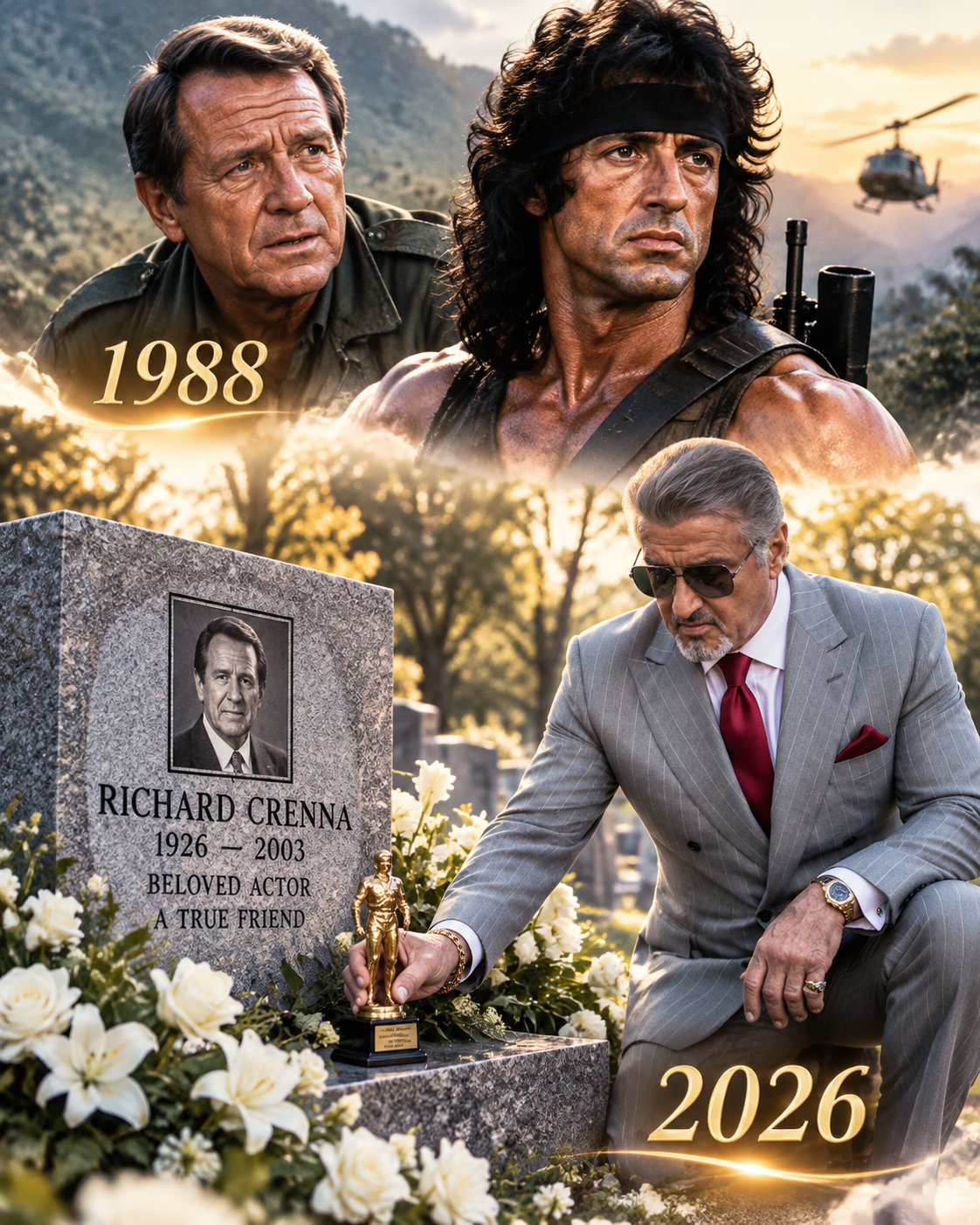

Before Sylvester Stallone became one of the most recognizable names in Hollywood, he was an actor struggling to find his place in an industry that rarely gave opportunities to outsiders. He had the ambition, the determination and the belief that he belonged on the big screen, but for years, success remained just out of reach. Auditions ended in rejection, money was difficult to find, and there were countless moments when walking away would have seemed like the logical choice. But Stallone continued forward because he believed there was still a story worth telling.
That story became Rocky.
In the mid-1970s, Stallone was not a Hollywood star. He was not a powerful name that studios were competing to work with. He was a struggling actor trying to survive while searching for a role that could change his life. During that period, he began writing a screenplay about an unknown boxer from Philadelphia who receives an unexpected opportunity to fight the heavyweight champion of the world.
The character was Rocky Balboa.
At first glance, Rocky seemed like the opposite of a traditional movie hero. He was not wealthy, famous or naturally gifted. He was a small-time fighter who had spent years being overlooked. He was a man who had accepted that life might never give him the chance he wanted.
But Rocky had something more important than talent.

He had the determination to keep going.
That idea was deeply personal for Stallone. The story reflected his own experience of being underestimated and fighting for recognition. Rocky was not created as a perfect champion. He was created as a human being — someone who struggled, doubted himself and still chose to step forward when the opportunity finally arrived.
When Hollywood executives saw the potential of the screenplay, they recognized that the story had value. However, many wanted a more established actor to play the lead role. From a business perspective, casting a famous star seemed like the safer option. A recognizable name could attract audiences and reduce financial risk.
For Stallone, however, the decision was about much more than business.
He believed Rocky only worked because the character came from a real place. The emotional connection between the writer and the role was what gave the story its power. If someone else played Rocky, Stallone feared the heart of the film would be lost.
So he made a choice that could have ended his opportunity completely.
He refused to sell the script unless he could play Rocky Balboa himself.
It was a dangerous decision. Stallone was struggling financially at the time, and turning down a large payment for the screenplay meant continuing to live with uncertainty. Many people would have accepted the safer option and moved on.
But Stallone chose belief over comfort.
That gamble became one of the defining moments in Hollywood history.
When Rocky was released in 1976, audiences connected with the film because it represented something much bigger than boxing. It was not simply a story about a fighter trying to win a championship. It was a story about an ordinary person trying to prove that he mattered.
Rocky’s greatest achievement was not becoming famous.
It was refusing to be invisible.
The film became a worldwide success and transformed Stallone’s life. The struggling actor who had spent years looking for opportunities suddenly became the face of one of cinema’s most inspiring stories. Rocky received multiple Academy Award nominations and won Best Picture, establishing Stallone as both a performer and a creator with a unique ability to connect with audiences.

But the legacy of Rocky was never only about victory.
The character became powerful because he represented the moments when people feel defeated. Rocky showed that failure does not have to be the end of the story. A person can lose, struggle and face impossible odds, yet still choose to continue.
That message became the foundation of Stallone’s career.
Years later, he would create another iconic character in John Rambo. While Rocky was a fighter searching for his chance, Rambo was a wounded soldier trying to survive the consequences of war. They were completely different characters, but they shared the same emotional foundation: both were men carrying pain who refused to be erased by their circumstances.
That connection explains why Stallone’s characters have remained meaningful for generations.
They were never about being invincible.
They were about endurance.
They reminded audiences that strength is not measured by never falling. Strength is measured by what happens after the fall.
Looking back, Stallone’s decision to fight for the role of Rocky was more than a career move. It was the moment when he proved that believing in his own story could change everything.
Hollywood did not initially see a superstar.
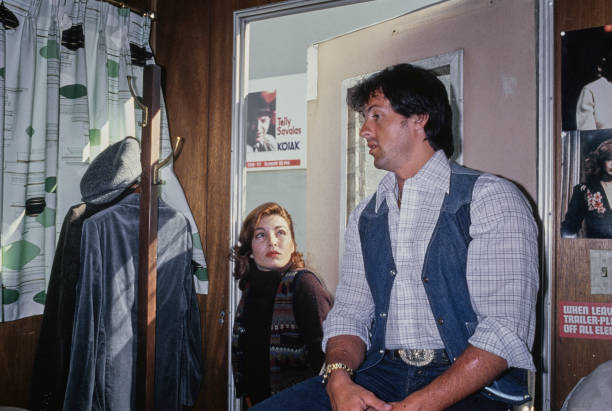
Stallone saw something they did not.
He saw a character that represented millions of people who had been overlooked, rejected and told they were not enough.
And by refusing to walk away, he turned that character into a symbol that would last for generations.
Because Rocky Balboa was never just about winning a fight.
It was about having the courage to enter the ring.