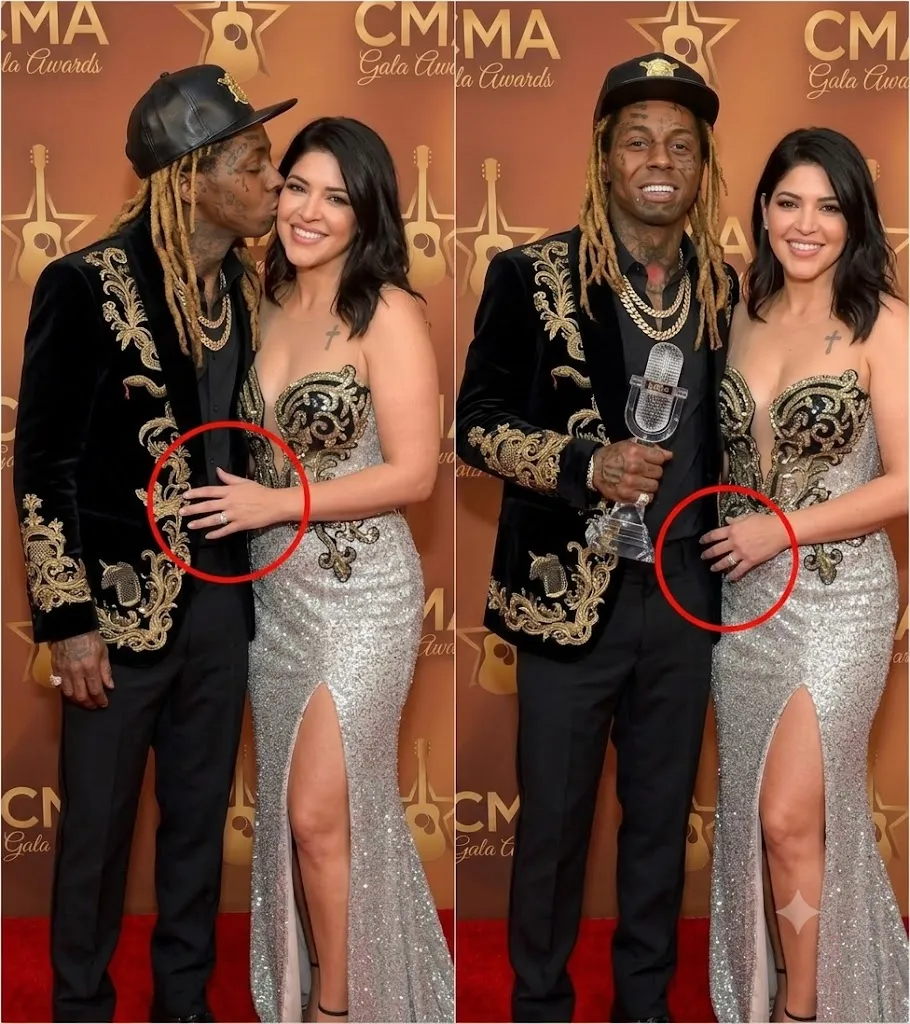

Before Rocky Balboa became one of the most recognizable figures in movie history, Sylvester Stallone was living a reality that looked very different from the success audiences would later associate with his name.
He was not a Hollywood superstar.
He was an unknown actor struggling to find opportunities in an industry that often rewards familiarity and established names. Stallone attended auditions, faced rejection, and spent years trying to convince people that he had something worth showing the world.
But during those difficult years, he began creating the story that would eventually change everything.
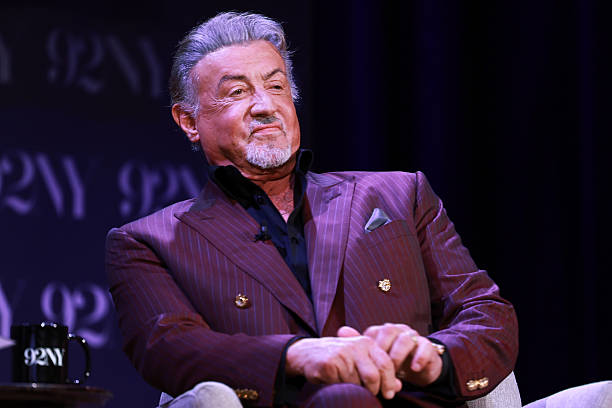
Rocky was not born from a simple desire to make a boxing movie. It came from Stallone’s own understanding of what it felt like to be overlooked and underestimated. He created Rocky Balboa as a fighter who was not expected to become a champion, a man who had spent his life standing in the shadows while waiting for one opportunity to prove himself.
That emotional connection between creator and character became the foundation of the entire story.
When Stallone finished writing the screenplay, Hollywood recognized the potential of the script. Producers saw a powerful story with the possibility of becoming a successful film. But there was one major disagreement: who would play Rocky Balboa.
The studios wanted an established actor who could guarantee recognition and reduce financial risk. Stallone, however, believed something important would be lost if someone else stepped into the role.
Rocky was not just a character he had written.
Rocky represented everything he had experienced.
The rejection.
The struggle.
The desire for one chance.
Stallone refused to separate himself from the character because he understood the emotional truth behind the story. Without that connection, Rocky might have become just another fictional boxer. With Stallone, Rocky became something much more personal.
When Rocky was released in 1976, audiences immediately connected with the underdog story. The film was not successful because Rocky was portrayed as an unstoppable fighter. In fact, the opposite was true. Rocky was compelling because he was vulnerable. He was a man who had doubts, fears, and limitations, yet he continued moving forward.
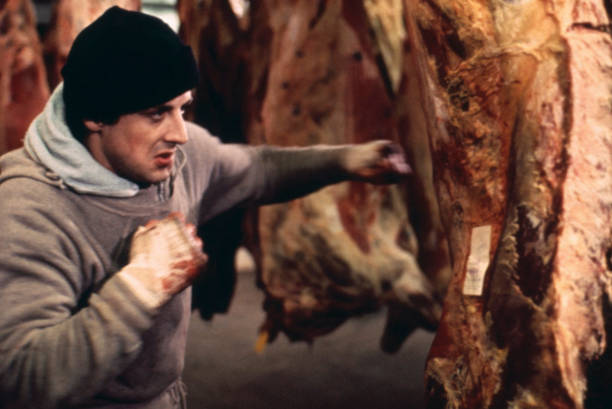
That message reached far beyond boxing.
People around the world recognized themselves in Rocky’s journey. They understood what it meant to struggle for recognition, to face obstacles, and to continue despite uncertainty.
The film’s success transformed Stallone’s career, but it also created something that lasted much longer than a single movie. Rocky Balboa became a cultural symbol of perseverance — a character representing anyone who refuses to give up when circumstances appear impossible.
As the years passed, Stallone continued returning to Rocky because the character continued to evolve with him. Rocky was no longer only the young fighter chasing his dream. He became an older man dealing with loss, change, and the challenges that come with time.
That evolution reflected something Stallone always understood about the character: the greatest battles are not always fought inside a boxing ring.
Sometimes they are personal.
Sometimes they are emotional.
Sometimes they are simply about finding the strength to continue.
This is why Rocky remained connected to Stallone throughout his career. The character was created during one of the most uncertain periods of his life, but it eventually became the role that defined his legacy.
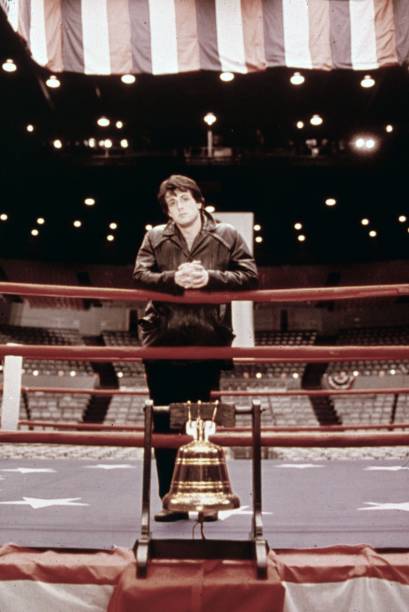
Rocky Balboa was never remembered because he was unbeatable.
He was remembered because he kept standing.
And perhaps that is the reason millions of people still connect with Rocky decades later. The story was never only about becoming a champion. It was about the courage required to keep fighting when success is not guaranteed.
For Sylvester Stallone, Rocky was more than a movie role.
It was a reminder of where he came from — and proof that even the most unlikely person can change their entire story with one opportunity and the determination to take it.