

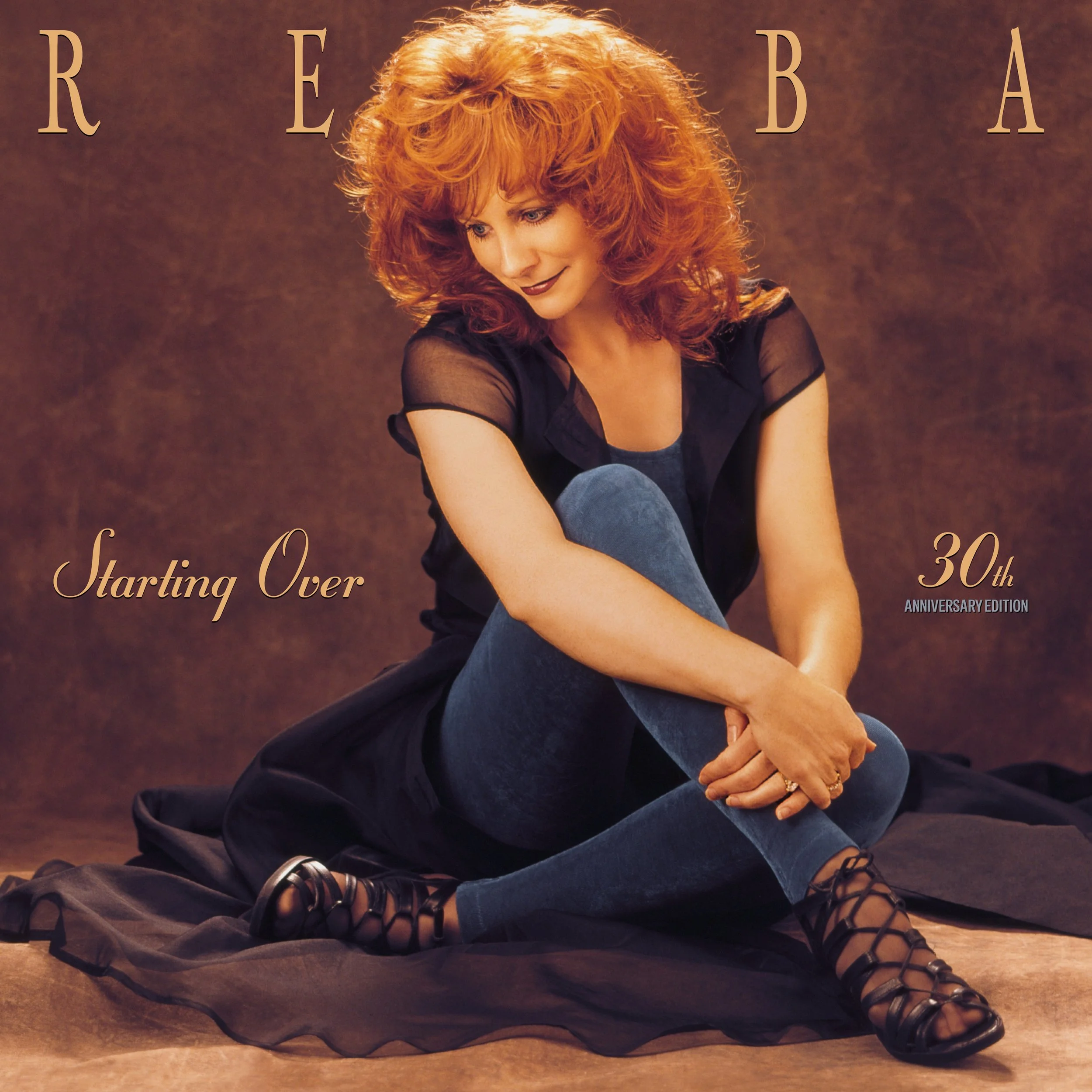
Reba McEntire has never needed a monument to prove her place in country music history. For more than five decades, her voice, humor, strength, and storytelling have already carved her name into the hearts of generations. Still, when stories began circulating online about Reba being honored with a full-body bronze statue on the Hollywood Walk of Fame, fans immediately understood why the idea felt so powerful.
The image is easy to imagine: Reba captured in bronze, microphone in hand, signature red hair glowing in memory, standing as if she were about to sing one more unforgettable line. It is the kind of tribute that seems fitting for an artist whose career has stretched from Oklahoma rodeos to Grammy stages, sitcom sets, Broadway-style performance, award-show hosting, and major television success.
However, it is important to separate viral fan storytelling from confirmed public record. Reba McEntire is officially recognized on the Hollywood Walk of Fame, and the official Walk of Fame site lists her among its honorees. Her star reflects her long and influential career in recording and entertainment. The Los Angeles Times Hollywood Star Walk also includes McEntire’s star and career profile. But as of now, widely circulating claims about a newly unveiled full-body bronze statue on Hollywood Boulevard appear to come mainly from viral-style fan sites rather than major official announcements.
That distinction does not make the emotional meaning disappear. If anything, it shows how fans already see Reba: not simply as a celebrity, but as someone whose legacy feels monumental.
A Star Already Written Into Hollywood History
The Hollywood Walk of Fame is one of entertainment’s most recognizable symbols. It honors performers whose work has left a lasting mark on film, television, music, radio, and live performance. McEntire’s presence there speaks to the breadth of her career, which has never been limited to one lane.
She is, first and foremost, one of country music’s defining voices. But she is also an actress, television personality, businesswoman, author, and cultural figure. Her career has moved across formats without losing the warmth and directness that made fans love her in the first place.
That is part of why the bronze-statue story caught attention. A star in the sidewalk honors a career. A statue, even as a symbolic fan image, suggests something even more personal: a woman whose presence feels too large to remain flat against the ground.

From Oklahoma Rodeos to National Recognition
Reba’s journey began far from Hollywood. Born in McAlester, Oklahoma, and raised in Chockie, she grew up in a ranching and rodeo family. Her father, Clark McEntire, was a champion steer roper, and the discipline of that world shaped her early life. The Encyclopedia of Oklahoma History and Culture notes that Reba began singing with her siblings and later caught the attention of Red Steagall after performing at a rodeo in Oklahoma City.
That origin story has become central to her legend. Reba was not manufactured by the music industry. She arrived with roots, work ethic, and a voice sharpened by real life. Her early road was not instant or easy. Like many country artists of her generation, she had to earn her place through persistence, touring, recording, and learning how to turn personal strength into public performance.
By the time she became a major star, fans could feel that history in her voice. Reba did not just sing lyrics. She inhabited them.
The Songs That Built the Legacy
For many listeners, Reba McEntire’s legacy lives in the songs that became part of their own lives.
“Fancy” turned survival and reinvention into theatrical country drama.
“Is There Life Out There” spoke to women wondering whether they had lost themselves inside responsibility.
“The Night the Lights Went Out in Georgia” brought Southern storytelling to a new generation.
“Consider Me Gone” became an anthem of self-respect and release.
These songs helped define Reba as more than a vocalist. She became a storyteller for women who were complicated, strong, wounded, funny, ambitious, heartbroken, and unwilling to disappear. Her music gave listeners permission to feel both vulnerable and powerful.
That emotional range is one reason fans respond so strongly to any tribute in her honor. They are not only celebrating awards, sales, or chart numbers. They are remembering how her songs met them at key moments in their lives.
More Than Record-Breaking Success
Reba’s career has included major awards, television success, and a level of public affection that few artists sustain for so long. Yet the heart of her appeal has always been something harder to measure.
She feels familiar.
Even with the fame, the red carpets, and the television lights, Reba has kept a grounded quality that fans associate with Oklahoma, family, faith, humor, and plainspoken resilience. She can look glamorous on stage and still speak like someone who understands everyday people.
That combination is rare. It is what separates a successful artist from a lasting icon.
A bronze statue, if one were ever officially unveiled, would not merely represent celebrity status. It would represent endurance. It would represent a woman who survived changing trends, shifting industry expectations, personal challenges, and decades of public life while remaining unmistakably herself.
Why Fans Want to See Reba Immortalized
The idea of Reba “immortalized in bronze” resonates because fans already believe her legacy deserves permanence. Country music has often been built through memory: songs passed from parent to child, artists remembered through radio, records, concerts, and family stories.
For many fans, Reba is part of that inheritance. She is the voice they heard in the car with their mother. The performer they watched on television with their grandmother. The artist whose songs helped them through divorce, grief, work, motherhood, heartbreak, and fresh starts.
That is why a statue feels emotionally believable even when the specific viral claim requires caution. Fans are not just imagining metal and stone. They are imagining gratitude made visible.

The Real Monument Is the Music
In the end, Reba McEntire’s most important monument is not bronze, concrete, or a Hollywood sidewalk. It is the body of work she has built over decades.
It is the songs.
The performances.
The characters.
The interviews.
The laughter.
The way she has made fans feel seen.
Official honors matter, and Reba’s Hollywood Walk of Fame star is a real recognition of her extraordinary career. But the deepest tribute may be the one carried by audiences themselves — the people who still know every word, still tell stories about seeing her live, and still feel that her music belongs to their own lives.
Whether or not Hollywood ever raises a full-body bronze statue in her honor, Reba McEntire already stands tall in American music.
Her legacy has been built in melody, memory, and heart.
And for fans, that may be the kind of monument that lasts longest.