

A surprise drop that hit like breaking news
Bruce Springsteen's new song, "Streets of Minneapolis," arrived with almost none of the usual machinery that surrounds a major release. No rollout campaign. No promo circuit. No weeks of teasing. Instead, the track appeared suddenly—timed, supporters say, to the emotional temperature of a city still reeling from two deaths that have become a national flashpoint: Alex Pretti and Renée Good.
In the hours after it went live, online conversation around the song accelerated rapidly. The core storyline driving its spread is simple and powerful: Springsteen wrote and recorded the track over a weekend, in direct response to what he described as "state terror" being visited on Minneapolis, and dedicated it to the people of the city and their immigrant neighbors.
Chart momentum and the viral claim of "#1 in 19 countries"

Fans have circulated screenshots and posts claiming the song went No. 1 on iTunes in 19 countries in less than 24 hours. That specific "19 countries" figure has been widely repeated, but it has also been treated as a viral claim rather than a consistently documented statistic across major chart trackers.
What can be supported more cleanly is that "Streets of Minneapolis" quickly became a major digital seller in the U.S. and hit No. 1 on the iTunes Top Songs chart in the United States, with mainstream business coverage noting its rapid ascent.
At the same time, outlets tracking the song's reach point to substantial online engagement—part of why the "global surge" narrative feels believable to listeners even as individual country-by-country claims vary depending on the tracker and time window being cited.
The song's subject: grief, community, and an explicit political charge
"Streets of Minneapolis" is not framed as a neutral lament. Reporting describes it as a protest song aimed directly at federal immigration enforcement and the use of force—language designed to provoke, not soothe. One widely cited line in coverage refers to "King Trump's private army," underscoring how intentionally confrontational the writing is.
That explicitness is central to the song's immediate impact. Rather than using metaphor to keep the message open-ended, Springsteen places the track in the present tense—staking out a moral position while the larger story around Minneapolis is still developing, disputed, and painfully raw.
The Minneapolis backdrop: two deaths, national scrutiny, and a widening response

The song's release lands amid intensifying scrutiny of federal enforcement actions in Minneapolis. In Alex Pretti's case, the U.S. Department of Justice has opened a federal civil rights investigation into the fatal shooting, with reporting noting that video evidence has driven public questions about official accounts of what happened.
At the community level, national reporting describes a surge in grassroots "ICE watcher" activity—volunteers organizing to document and respond to enforcement operations—illustrating how quickly fear and anger have turned into a sustained civic movement.
In that context, "Streets of Minneapolis" is being received not only as a song, but as an intervention—an attempt to amplify grief and outrage into a form that travels beyond city limits.
A benefit concert appearance that turned the single into a live moment
The record didn't remain only a digital phenomenon. In Minneapolis, Springsteen made a surprise appearance at First Avenue during a benefit concert connected to the families of Pretti and Good, performing "Streets of Minneapolis" in a room that already carried the weight of the city's anger and mourning.
Coverage describes the event as a solidarity-focused concert organized by Tom Morello, with proceeds directed to the victims' families—an atmosphere where the song's chorus and message functioned less like entertainment and more like a rallying cry.
"Protest songs still matter": why the track is resonating so fast
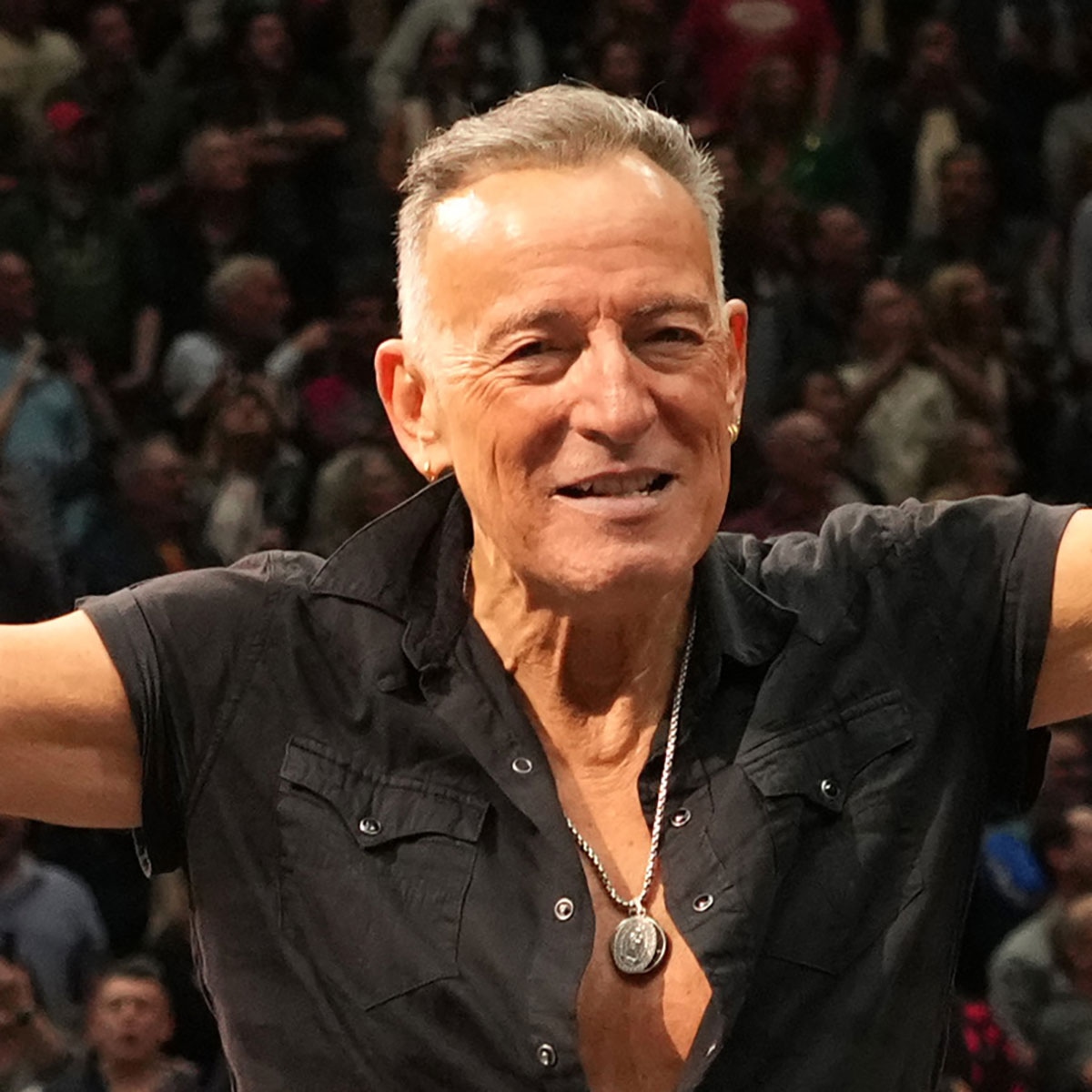
Part of what's powering the song's spread is the argument that it represents something rare in mainstream music: a protest track that is both immediate and unmistakable. Commentary around the release has framed it as proof that protest music still resonates when it speaks directly to current events—drawing comparisons to earlier eras when songs served as rapid responses to national crises.
Online reactions have followed that same theme: listeners describing the track as "honest," "urgent," and "unafraid," with supporters sharing emotional responses ranging from grief to fury. Whether those reactions translate into long-term chart longevity is unknown—but the first-wave impact is clear: the song is being treated as a cultural signal flare.
The contested space: art as witness, and the fight over the facts
The speed of the song's rise also reveals a modern reality: art can travel faster than investigations. As official inquiries unfold and competing narratives harden, "Streets of Minneapolis" enters a contested space where music becomes part of the argument—used by supporters as validation, and dismissed by opponents as propaganda.
Even so, Springsteen's approach has been consistent in one way: he is not attempting to sound "balanced." The track is written as witness and accusation, built to force attention onto the human cost of enforcement and the unresolved demand for accountability.
What happens next
Whether "Streets of Minneapolis" holds its chart position—or becomes a momentary surge—its early trajectory has already made one point: a surprise song can still cut through the noise when it aligns with public grief, political anger, and a sense of urgent moral stakes.
For Minneapolis, the investigations and community response continue. For Springsteen, the release marks a new chapter in the long tradition of American protest music—one that is unfolding not in retrospect, but in real time.