

Stepping Away From the Applause
For more than four decades, Reba McEntire has stood before packed arenas, her voice rising above thousands of cheering fans. She has been celebrated as one of country music's most enduring and recognizable figures, known for her warmth, professionalism, and emotional storytelling.
Yet behind the applause and bright lights, much of her life has unfolded in quiet solitude.
In the BBC special A Solitary Woman, McEntire steps away from the familiar image of the confident performer and invites viewers into a more private world — one shaped by reflection, sacrifice, and resilience. The documentary does not focus on fame. Instead, it explores what fame requires, and what it quietly takes away.
A Story Beyond Success
Unlike traditional celebrity profiles that emphasize awards and achievements, A Solitary Woman centers on the emotional journey behind McEntire's career.
The program traces her life from rural Oklahoma to international stardom, highlighting the long stretches of travel, separation from family, and personal challenges that accompanied professional success.
"I've always loved performing," McEntire says in the film. "But there were times when the quiet afterward felt heavier than people imagine."
Her words set the tone for a documentary that prioritizes honesty over mythology.
Growing Up With Limited Means
McEntire's early life plays a central role in the narrative. Raised in a working-class family, she learned discipline and perseverance at a young age. Music was both an escape and a responsibility, something that connected her to her family and community.
In the documentary, she reflects on those formative years, recalling how her parents emphasized humility and hard work.
"We didn't have much," she says. "But we had each other. That mattered."
These values, she explains, became her emotional foundation in later years.
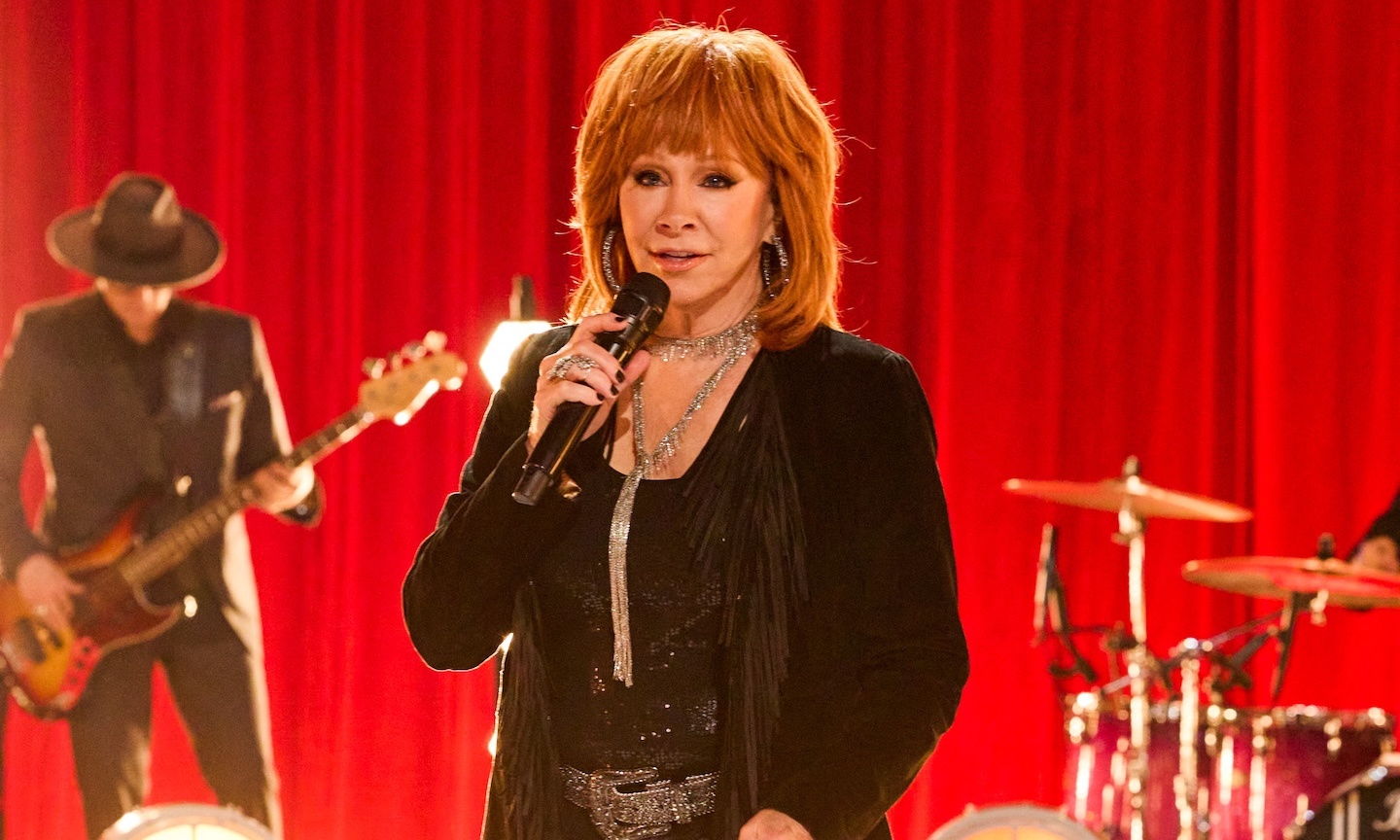
The Loneliness of the Road
One of the most powerful themes in A Solitary Woman is the isolation that comes with constant touring. McEntire spent much of her life moving between hotels, buses, and venues, often far from home for months at a time.
While fans saw glamorous performances, she experienced empty dressing rooms and long nights alone.
"There were times I'd walk off stage," she recalls, "and the noise would disappear. And suddenly, it was just me."
The documentary does not present this as complaint, but as reality — an honest acknowledgment of the emotional cost of a life in motion.
Songs as Emotional Refuge
For McEntire, songwriting and performance became a form of emotional processing. Many of her most beloved songs, the documentary reveals, were shaped by personal experiences of loss, uncertainty, and longing.
She describes music as a place where she could be truthful without explanation.
"I could say things in a song I didn't know how to say out loud," she explains.
Producers and collaborators interviewed in the film confirm that her emotional authenticity is central to her artistry. They describe her as someone who brings lived experience into every performance.
Navigating Heartbreak and Resilience
The film also addresses difficult periods in McEntire's personal life, including loss, relationship struggles, and professional setbacks. Rather than dwelling on these moments, the documentary frames them as sources of strength.
McEntire speaks openly about learning to rebuild after disappointment.
"You fall down," she says. "You take a breath. And you get back up."
This philosophy, rooted in perseverance, has guided her through multiple reinventions and industry changes.
Fame Without Losing Identity
One of the most striking aspects of A Solitary Woman is how it portrays McEntire's relationship with fame. Despite her status, she has consistently resisted becoming detached from everyday life.
She continues to emphasize simple routines, close friendships, and time spent away from public attention.
"I never wanted fame to decide who I am," she says. "I wanted to decide that."
Friends interviewed in the documentary describe her as grounded and thoughtful, someone who values privacy as much as performance.
Why Her Story Still Resonates
Media critics have praised A Solitary Woman for its restraint and sincerity. Rather than sensationalizing hardship, the film allows quiet moments to speak for themselves.
Viewers have responded strongly, sharing personal reflections about how McEntire's honesty mirrors their own experiences of balancing ambition and emotional well-being.
"She makes you feel understood," one viewer commented. "Even if you've never been famous."
This connection reflects McEntire's enduring relevance.
A Different Kind of Legacy
As she reflects on her career in the documentary, McEntire does not focus on chart positions or accolades. Instead, she speaks about relationships, memories, and personal growth.
"I hope people remember how I treated them," she says. "More than what I sold."
This perspective reframes success as something measured in character rather than numbers.

Looking Ahead With Clarity
Despite its introspective tone, A Solitary Woman is not about retreat. McEntire makes clear that she remains creatively engaged, with new projects and mentoring initiatives planned.
What has changed is her sense of balance.
"I know when to be quiet now," she says. "And when to listen."
That awareness reflects maturity earned through experience.
When Silence Becomes Strength
In revealing her private struggles and reflections, Reba McEntire does not diminish her legacy. She deepens it.
A Solitary Woman shows that behind the powerful voice is a thoughtful, resilient individual who has learned to embrace both visibility and solitude.
Her story is not simply about becoming famous.
It is about remaining human.
And in sharing that truth, she reminds audiences that even the brightest stars need quiet spaces to breathe.