

When Silence Fell Over a Superstar
For years, Shania Twain’s voice was one of the most recognizable sounds in modern country-pop music. It was bold, playful, confident, and instantly familiar. From the first notes of her biggest hits, fans knew they were hearing an artist who had changed the rules. She was not simply singing country music; she was expanding it, giving it a global sound, a fearless attitude, and a sense of independence that millions of listeners embraced.
But behind the bright lights and record-breaking success, Twain would eventually face a season of hardship that tested nearly every part of her life. She lost confidence in the voice that had carried her to international fame. She also endured the collapse of her marriage, a deeply personal heartbreak that played out under the shadow of public attention.
For an artist whose career had been built on strength, joy, and self-belief, the pain was devastating. Yet what makes Shania Twain’s story so powerful is not simply what she lost. It is how she found the courage to rise again.
The Voice That Suddenly Felt Out of Reach
At the height of her fame, Twain seemed unstoppable. Her albums reached audiences around the world, her songs became anthems, and her stage presence made her one of the most influential female artists of her generation. She had a rare ability to make confidence feel contagious. Songs like “Man! I Feel Like a Woman!,” “That Don’t Impress Me Much,” “Any Man of Mine,” and “You’re Still the One” became more than hits. They became part of people’s lives.
Then came a frightening challenge: her voice began to fail her.
Twain later spoke publicly about her struggle with Lyme disease and the damage it caused to her vocal cords. For any performer, losing vocal control would be terrifying. For Shania Twain, whose voice was central to her identity, it was almost unimaginable. The stage that once felt like home became uncertain. Singing, the thing that had helped her survive since childhood, suddenly felt fragile.
This was not just a professional setback. It was emotional, physical, and deeply personal. A singer can lose a tour date, a chart position, or a record deal and still rebuild. But losing faith in the very instrument that defines your art cuts much deeper.

A Heartbreak the World Could Not Ignore
As Twain was facing serious vocal struggles, her personal life was also breaking apart. Her marriage to producer Robert “Mutt” Lange ended after a painful betrayal that became widely reported and discussed by fans and media outlets. For Twain, the end of the relationship was not only a private heartbreak but also a dramatic shift in the creative partnership that had shaped some of her biggest musical achievements.
The pain was made even more intense because it involved people close to her. Fans who had followed her love songs and success story were shocked. But behind the headlines was a woman trying to process grief, betrayal, and uncertainty while the world watched from a distance.
In that period, Twain did not appear like the untouchable superstar fans had seen on stage. She appeared human — wounded, quiet, and unsure of what would come next. The woman who had once sung with dazzling confidence now had to rebuild both her personal life and her professional future.
The Fire Beneath the Ashes
What separates Shania Twain’s story from a simple tale of loss is the way she turned suffering into strength. She did not rush the comeback. She did not pretend the pain had not happened. Instead, she allowed her journey to be honest, imperfect, and deeply human.
Her return was not just about singing again. It was about reclaiming herself.
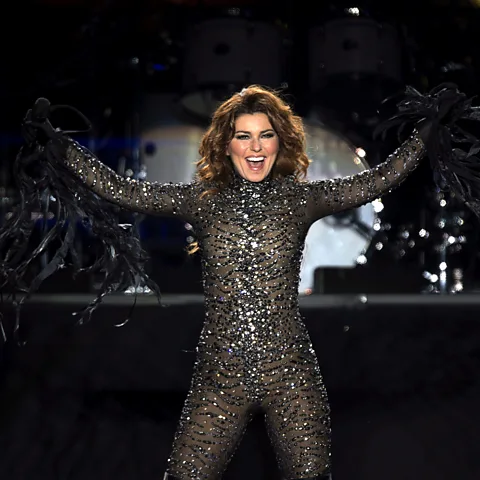
Twain underwent treatment, worked to understand the changes in her voice, and slowly found her way back to performing. Every step carried emotional weight. Each public appearance felt like more than entertainment; it felt like proof that she was still standing.
Her eventual comeback showed fans that resilience is not always loud at first. Sometimes it begins quietly, in private rooms, with difficult decisions and small victories. Sometimes the strongest comeback starts with simply refusing to disappear.
Turning Pain Into Music Again
When Twain returned to music, she brought with her a new layer of meaning. Her voice was still familiar, but her story had changed. The songs carried the weight of someone who had lived through heartbreak, uncertainty, and fear — and chosen not to be defeated by them.
That is why her comeback resonated so strongly. Fans were not only celebrating the return of a famous singer. They were witnessing a survivor reclaim her place.
Her later work revealed a woman no longer defined only by the glamorous image of the 1990s and early 2000s. She had become something even more powerful: an artist whose vulnerability made her stronger. The sparkle was still there, but now it came with scars. The confidence was still there, but it had been earned in a new way.
Why Shania’s Story Still Moves Fans
Shania Twain’s journey continues to inspire because it reaches beyond music. Many people know what it feels like to lose something important — a relationship, a dream, a sense of identity, or confidence in themselves. Twain’s story reminds fans that loss does not have to be the final chapter.
Her life proves that a comeback does not mean returning exactly as you were before. Sometimes it means becoming someone different, someone wiser, someone more grounded, and someone even more powerful because of what they survived.
For women in particular, Twain’s public resilience carries special meaning. Throughout her career, she has represented independence, style, humor, and strength. But her later chapters revealed another kind of strength — the courage to be vulnerable and still keep moving forward.

The Comeback That Became a Legacy
Today, Shania Twain’s story is not remembered only for the heartbreak or the silence. It is remembered for the fire that survived both.
She lost her voice for a time, but she did not lose her purpose. She lost a marriage, but she did not lose her belief in love, life, or herself. She faced public pain, private fear, and professional uncertainty, yet she returned with grace, determination, and the kind of courage that cannot be manufactured.
That is why her comeback remains one of the most powerful stories in modern music. Shania Twain did not simply return to the stage. She returned as proof that even when life takes away the things we thought defined us, there can still be another song waiting to be sung.
Some voices are not simply heard.
Some voices rise.


