

📰 SUPREME COURT TO HEAR LANDMARK BIRTHRIGHT CITIZENSHIP CASE AS LEGAL AND CULTURAL BATTLE INTENSIFIES
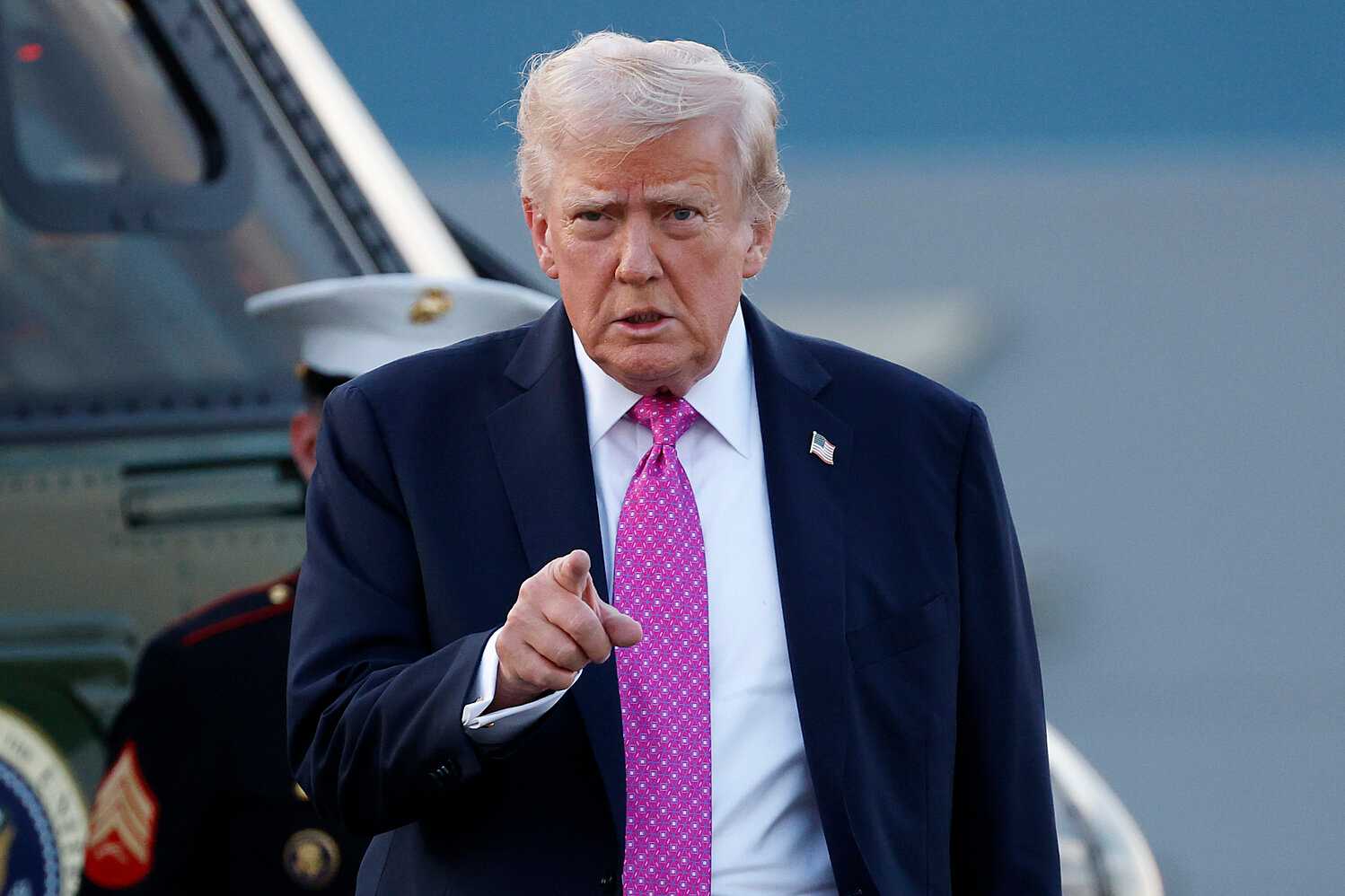
The United States Supreme Court is set to hear oral arguments on April 1 in a closely watched case that could redefine one of the most fundamental principles of American law: birthright citizenship. The case, widely referred to as the birthright citizenship challenge, stems from a January 2025 executive order issued by former President Donald Trump. The order seeks to reinterpret the 14th Amendment by limiting automatic citizenship for certain individuals born on U.S. soil.
For more than a century, the Citizenship Clause of the 14th Amendment has been understood to guarantee citizenship to nearly all individuals born within the United States, regardless of their parents' immigration status. The executive order challenges this long-standing interpretation, raising complex constitutional questions that now sit before the nation's highest court.
Legal analysts say the case could become one of the most consequential constitutional disputes in recent history. At its core lies a central question: can a sitting administration reshape the meaning of a constitutional amendment through executive action, or does such a change require legislative or judicial reinterpretation grounded in precedent?
"This case goes beyond immigration," one constitutional expert noted. "It speaks directly to the limits of executive authority and the durability of constitutional protections that have defined American identity for generations."
The executive order has triggered swift and organized legal opposition. Leading the challenge is the American Civil Liberties Union (ACLU), which argues that the order undermines a clear constitutional guarantee. The organization has filed multiple legal actions, asserting that birthright citizenship is not a policy choice subject to political change, but a right enshrined in the Constitution.

According to the ACLU, altering this principle could create widespread uncertainty and potentially affect millions of individuals and families across the country. The group has emphasized that the issue is not only legal but also deeply connected to civil rights and equal protection under the law.
As the legal battle unfolds in the courtroom, it has also expanded into the cultural and public arena. In an effort to raise awareness and engage a broader audience, the ACLU has partnered with Bruce Springsteen to launch a nationwide media campaign.
The campaign centers on a 30-second video featuring Springsteen's iconic 1984 song "Born in the U.S.A."—a track long associated with themes of identity, belonging, and the complexities of the American experience. By pairing the song with messaging related to the birthright citizenship debate, the campaign seeks to connect cultural symbolism with constitutional concerns.
Organizers say the video will air across national platforms in the days leading up to the Supreme Court hearing. The goal, they explain, is to encourage public reflection and dialogue about the broader implications of the case.
"This is about more than a single policy," a spokesperson familiar with the campaign stated. "It's about how we define citizenship, and who is included in that definition."
The use of Springsteen's music adds a powerful dimension to the effort. While often interpreted as a patriotic anthem, "Born in the U.S.A." has also been widely viewed as a nuanced reflection on the American experience, including its challenges and contradictions. That dual meaning makes it a fitting backdrop for a debate that touches both legal principles and lived realities.
Public response to the case and the accompanying campaign has been sharply divided. Supporters of the executive order argue that it seeks to address perceived gaps in immigration policy and clarify the scope of citizenship rights. Critics, however, contend that it represents a departure from established constitutional interpretation and risks undermining a foundational element of American law.

The Supreme Court hearing is expected to draw intense national attention, with legal scholars, policymakers, and advocacy groups closely monitoring the proceedings. Both sides are preparing detailed arguments grounded in constitutional text, historical precedent, and prior court rulings.
Observers note that the Court's decision could have implications far beyond the immediate issue of birthright citizenship. Depending on the outcome, the ruling may influence how future administrations interpret constitutional provisions and exercise executive power.
"The stakes are extraordinarily high," said one legal scholar. "This case could redefine not only citizenship policy but also the balance of power between branches of government."
As April 1 approaches, anticipation continues to build. The convergence of legal action, public advocacy, and cultural engagement underscores the significance of the moment. For many, the case represents a turning point in the ongoing national conversation about identity, rights, and the meaning of citizenship.
In the weeks ahead, as arguments are presented and deliberations begin, the nation will be watching closely. The Supreme Court's decision is expected to resonate far beyond the courtroom, shaping the interpretation of the Constitution—and the definition of citizenship—for generations to come.