

A Performance That Carries More Than Sound
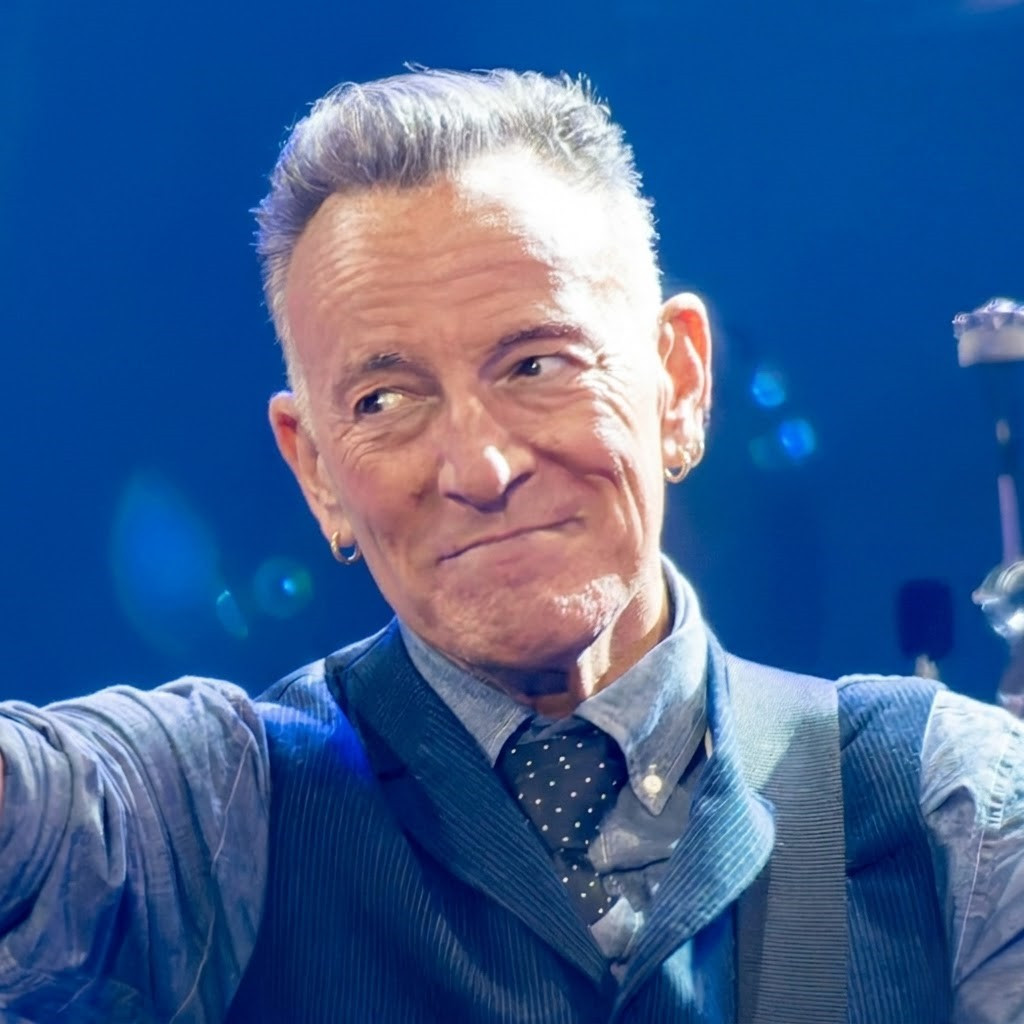
Rock legend Bruce Springsteen is set to take the stage this weekend at the "No Kings" demonstration at the state Capitol in St. Paul, Minnesota—an appearance that is already drawing national attention.
But this will not be just another performance.
For Springsteen, whose career has long been intertwined with themes of social awareness and working-class realities, the moment represents something deeper: a convergence of music, message, and a rapidly evolving public conversation.
"You want to try to meet the moment," Springsteen said in a recent statement. "The No Kings movement is of great import right now."
Those words, simple yet deliberate, reflect an artist stepping into a space where culture and civic expression intersect.
Understanding the "No Kings" Movement
The "No Kings" demonstration has emerged as part of a broader wave of public gatherings focused on issues of power, representation, and accountability. While the movement itself continues to evolve, its core message centers on the idea that no individual or institution should stand above democratic principles.
Organizers describe the event as a peaceful assembly designed to encourage dialogue and reflection on leadership, authority, and the role of citizens in shaping the future.
Springsteen's involvement adds a new dimension to the demonstration—one that blends artistic expression with civic engagement.
A Career Rooted in Social Themes
Throughout his decades-long career, Bruce Springsteen has built a reputation not only as a performer, but as a storyteller whose work reflects the lives of ordinary people.
From songs about economic struggle to narratives of resilience and identity, his music has consistently engaged with themes that resonate beyond entertainment.
This upcoming performance aligns with that tradition.
Rather than stepping outside his artistic identity, Springsteen appears to be continuing it—using his voice, both literally and figuratively, to engage with the issues of the moment.
Music as a Form of Expression
Live performances have always been central to Springsteen's connection with his audience. Known for their energy, emotion, and authenticity, his shows often create a sense of shared experience that goes beyond the music itself.
At the "No Kings" demonstration, that dynamic is expected to take on a new meaning.
Instead of a concert venue, the setting will be a public space.
Instead of a ticketed audience, a gathering of individuals united by a common cause.
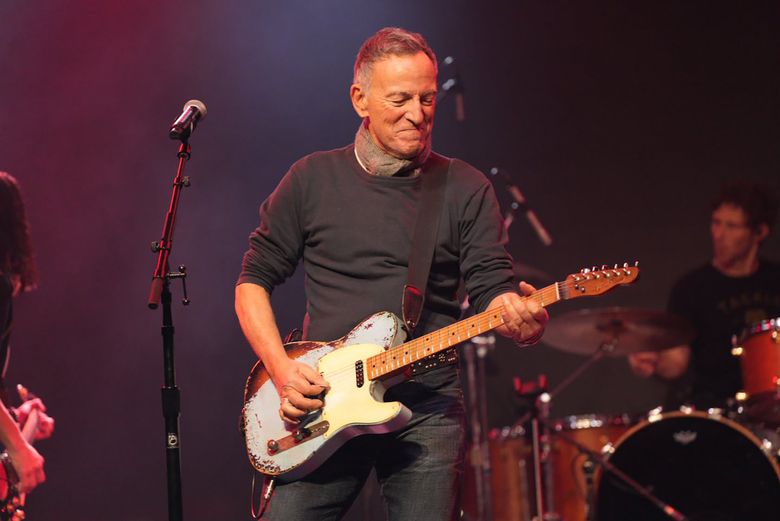
The shift in context transforms the performance into something more than entertainment—it becomes a form of expression tied directly to the event's purpose.
Public Reaction and Anticipation
News of Springsteen's participation has generated significant interest, both among fans and within broader public discussions.
Supporters view his appearance as a meaningful contribution, noting that his presence could help draw attention to the issues being raised. For many, it reinforces the idea that artists can play a role in shaping public conversations.
At the same time, reactions have been varied.
Some observers emphasize the importance of maintaining a clear distinction between artistic expression and political discourse, while others argue that the two have long been interconnected.
Regardless of perspective, one thing is clear:
Springsteen's involvement has elevated the visibility of the event.

The Role of Public Figures in Civic Moments
The decision by a high-profile artist to participate in a demonstration often raises broader questions about the role of public figures in civic life.
Should artists engage directly with social and political issues?
Or should their work remain separate from public debate?
Springsteen's career suggests that, for him, the answer leans toward engagement.
By choosing to perform at the "No Kings" demonstration, he is not only contributing his music, but also signaling a willingness to be part of the conversation.
A Moment That Reflects a Larger Trend
Springsteen's appearance also reflects a broader trend in which cultural figures are increasingly visible in public discourse.
From social movements to community events, artists are often present—not just as performers, but as participants.
This shift highlights the evolving relationship between culture and civic life, where music, art, and public expression intersect in new ways.
Looking Ahead
As the weekend approaches, anticipation continues to build.
What songs will Springsteen choose?
How will the performance shape the tone of the demonstration?
And what impact will the moment have beyond the event itself?
These questions remain open.
:max_bytes(150000):strip_icc():focal(764x201:766x203)/bruce-springsteen-tout-100424-112fb97e11db4546b54114a1ae880902.jpg)
What is certain, however, is that the performance will not be easily overlooked.
More Than Just a Performance
In many ways, Bruce Springsteen's upcoming appearance at the "No Kings" demonstration represents more than a single event.
It is a reflection of how art can engage with the present moment.
How music can become part of a larger conversation.
And how individuals—regardless of their platform—can choose to participate in shaping that conversation.
Whether viewed as a cultural moment, a civic gesture, or simply a performance, the event underscores a reality that continues to evolve:
The stage is no longer confined to concert halls.
Sometimes, it stands in the center of public life.
And when it does, voices like Bruce Springsteen's carry far beyond the music. 🎤