

A moment of alarm swept through a packed London arena when Bruce Springsteen briefly collapsed during a live performance, prompting an immediate pause in the show and a swift response from his crew and on-site medical staff.
The incident, which occurred midway through the concert, left thousands of fans in stunned silence as the music stopped and attention shifted entirely to the stage. For several tense minutes, confusion and concern rippled through the venue as Springsteen was attended to behind a protective circle formed by his team.
However, according to early reports from representatives and medical personnel, the situation was far less severe than initial reactions suggested.
A Sudden Interruption
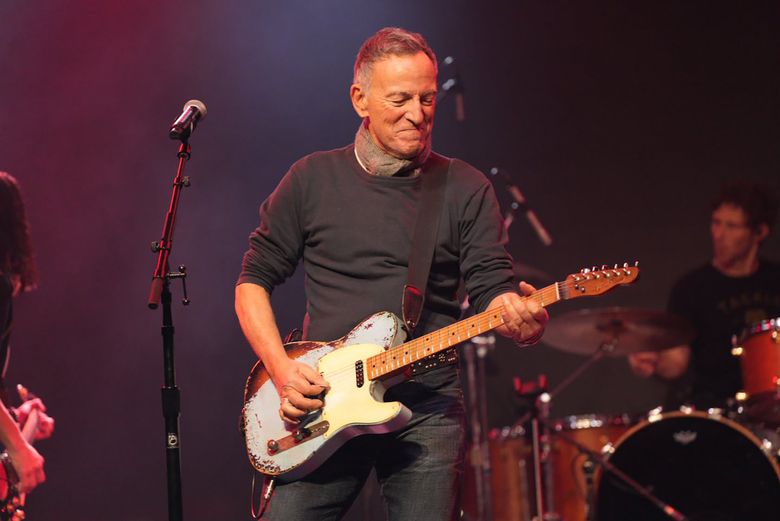
Witnesses say the performance had been proceeding normally, with Springsteen delivering his signature high-energy set. Known for marathon concerts that can stretch well beyond three hours, the 70s-era rock icon has built a reputation on endurance and intensity.
But shortly after completing a song, observers noticed a subtle shift.
"He seemed a bit slower," one attendee recalled. "Not dramatically, but enough that you could tell something was off."
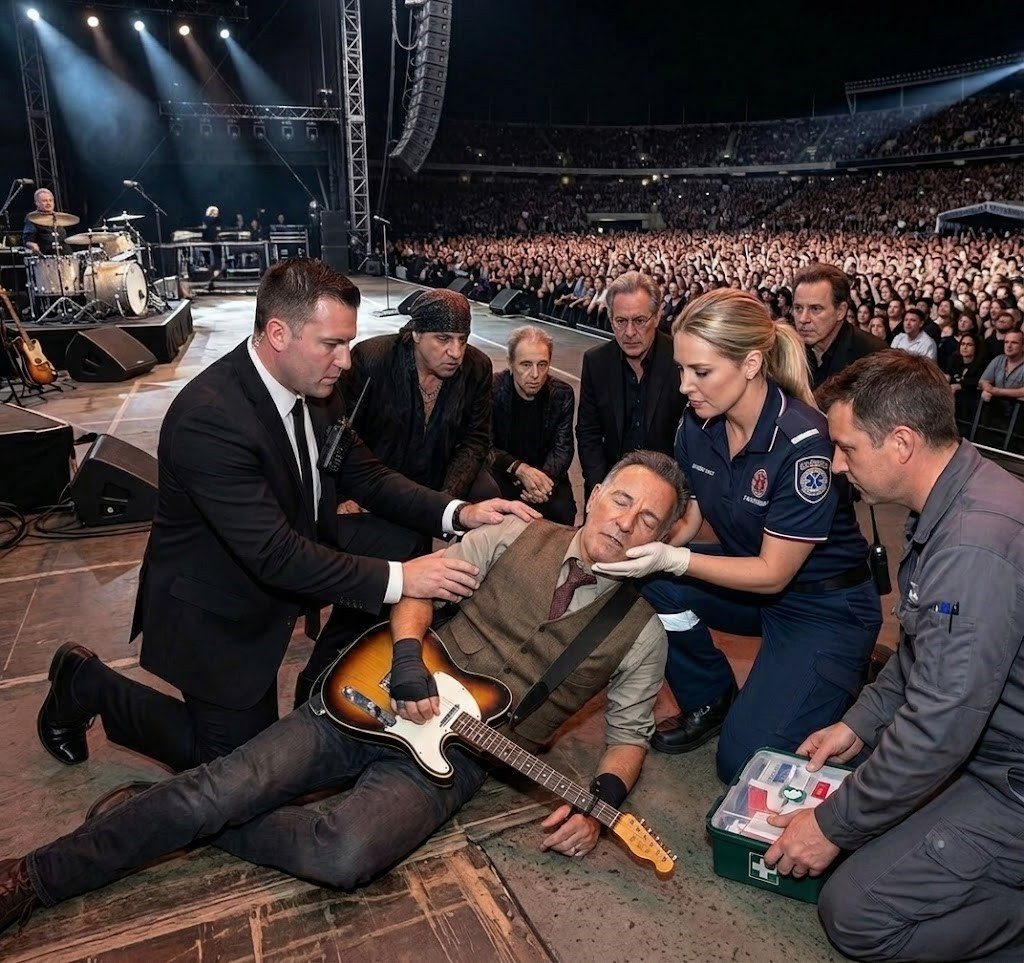
Moments later, Springsteen appeared to lose balance and collapsed on stage.
The band stopped immediately.
Crew members rushed forward, followed quickly by medical personnel who had been stationed at the venue. The crowd, initially unsure of what they were witnessing, fell into a quiet, collective stillness.
Immediate Medical Response
As staff surrounded Springsteen, efforts focused on assessing his condition and ensuring his safety. Audience members watched anxiously as the situation unfolded, with many expressing concern that the collapse might signal a serious health emergency.
For several minutes, no official information was shared, contributing to the sense of uncertainty inside the arena.
But according to those close to the situation, Springsteen regained consciousness quickly and was responsive as medical teams evaluated him.
Fatigue and Temporary Disorientation
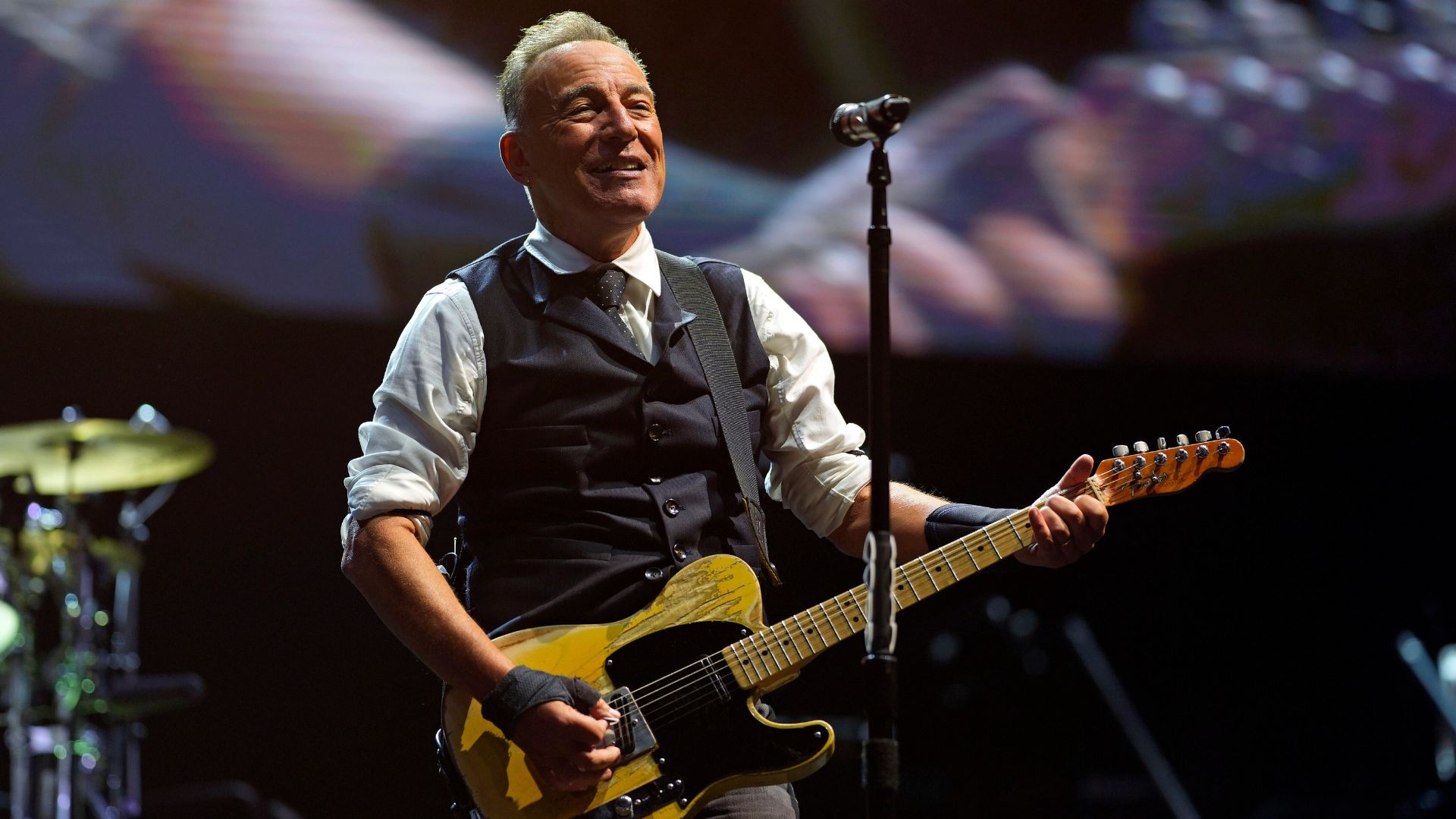
Sources familiar with the incident indicate that the collapse was likely the result of fatigue combined with temporary physical exhaustion. Reports suggest that Springsteen had been experiencing symptoms such as a headache and general tiredness prior to taking the stage.
Medical staff believe that these factors, potentially compounded by the physical demands of performing under stage lights and extended exertion, contributed to a brief fainting episode.
Importantly, there were no indications of a more serious underlying condition.
"He was alert shortly after and able to communicate," one source said. "This appears to have been a momentary issue rather than anything more concerning."
A Career Defined by Intensity
Springsteen's live performances are widely regarded as some of the most physically demanding in modern music. Even decades into his career, he continues to deliver shows marked by relentless energy, often performing for hours with minimal breaks.
That level of intensity, while central to his identity as a performer, can also place significant strain on the body—particularly during extended tours.
Fans and industry observers alike have long admired his commitment to giving audiences everything he has on stage. But moments like this serve as a reminder of the physical toll that such dedication can carry.
Reassuring Updates on His Condition
Following the incident, representatives confirmed that Springsteen's condition was stable and that there was no cause for serious concern. He was monitored by medical professionals as a precaution and is expected to make a full and swift recovery.
There has been no indication of long-term health issues related to the episode.
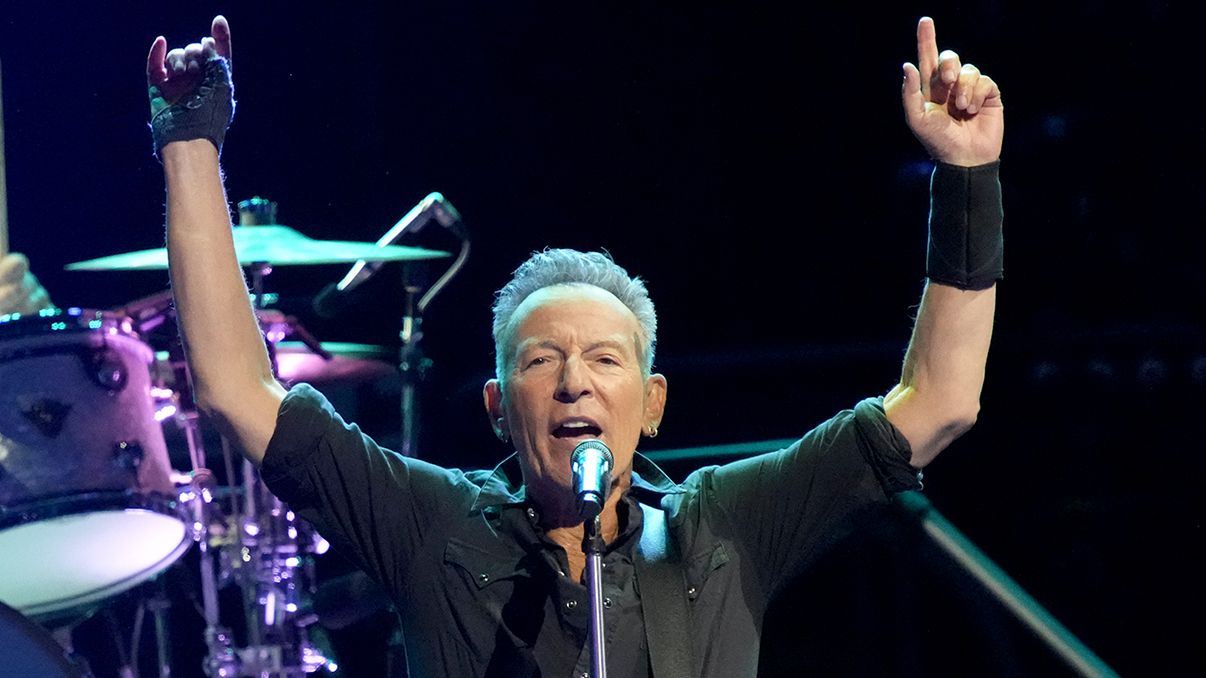
While the remainder of the performance was understandably affected, the focus quickly shifted from fear to relief as updates reassured fans that the situation was under control.
A Crowd United in Concern
For those in attendance, the experience was both unsettling and deeply emotional. Many described the moment as one of the most intense they had ever witnessed at a concert—not because of the performance itself, but because of the sudden shift from celebration to concern.
"When the music stopped, you could feel the entire room change," another attendee said. "Everyone was just hoping he was okay."
That shared concern underscored the connection Springsteen has built with his audience over decades—a relationship that extends far beyond the music.
Looking Ahead
As of now, there is no indication that the incident will have a lasting impact on Springsteen's schedule, though adjustments may be made to ensure adequate rest and recovery.
For fans, the event serves as a reminder that even the most enduring performers are not immune to the physical realities of life on the road.
More Than a Performance
While the night began as another chapter in a legendary career, it briefly became something else entirely—a moment of vulnerability that revealed the human side of an artist often defined by strength and stamina.
In the end, what remains is not just the memory of a scare, but the reassurance that Bruce Springsteen is expected to be well.
And for those who witnessed it, the moment will linger—not as a tragedy, but as a powerful reminder that behind every icon is a person, and sometimes, even the strongest voices need a moment to pause. 💔