

In an era where music awards are often measured by streaming numbers, viral moments, and cultural immediacy, the idea of Garth Brooks winning a Grammy in 2026 feels quietly profound. Not because Brooks lacks accolades — his career is already one of the most decorated and commercially successful in American music history — but because a Grammy at this stage would represent something far deeper than recognition. It would represent endurance, relevance earned over time, and the rare ability to remain human in an industry obsessed with novelty.
Garth Brooks has never needed awards to validate his place in music. He reshaped country music in the 1990s, bringing it into stadiums without stripping it of its emotional core. He sold records at a pace few artists in any genre could match, and he did it while insisting that live shows be communal experiences rather than spectacles designed to elevate the performer above the audience. His success was never accidental — it was built on trust.
So why would a Grammy in 2026 matter?
Because context matters.
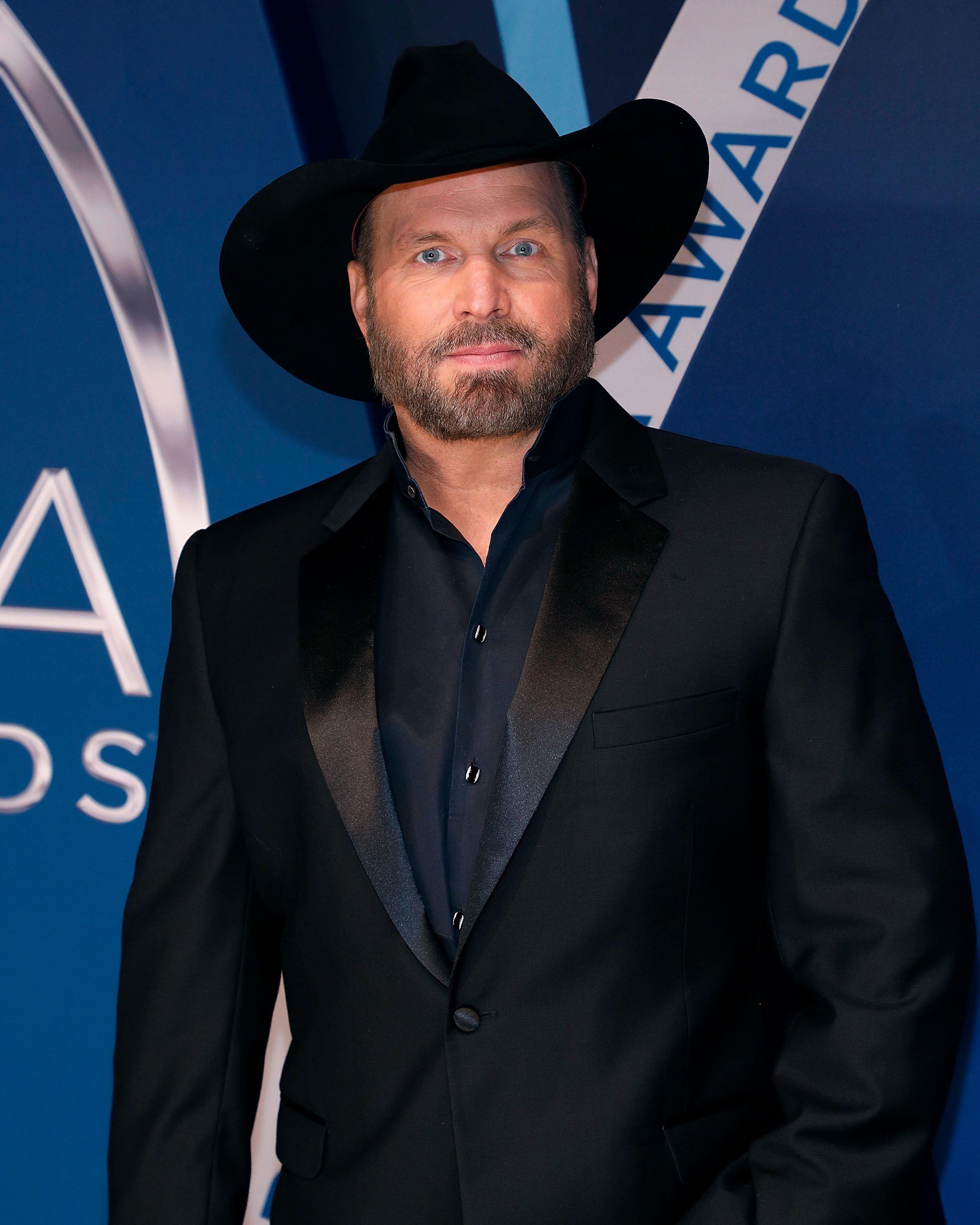
The Grammy Awards were designed not just to reward popularity, but to honor artistic contribution. Over time, that mission has been tested by shifting tastes, internal controversies, and the growing gap between commercial success and critical recognition. For legacy artists, especially those whose greatest impact occurred decades earlier, a modern Grammy win often signals something rare: that the artist's voice still speaks meaningfully to the present.
For Brooks, such a moment would not feel like a comeback. It would feel like continuity.
A Grammy in 2026 would acknowledge that his music didn't merely define a past era — it continues to matter in a changing one. It would affirm that storytelling, sincerity, and emotional honesty are not outdated values, even as production styles and platforms evolve. In a landscape where younger artists dominate headlines through speed and volume, Brooks represents a slower, more deliberate tradition — one that refuses to rush meaning.
There is also symbolism in the timing. By 2026, Brooks would be firmly positioned as an elder statesman of American music. Awards given at this stage of a career often function as quiet reckonings — not with popularity, but with legacy. They ask a different question: What has lasted?
And what has lasted, in Brooks' case, is connection.
His songs remain woven into the fabric of American life — weddings, funerals, road trips, late-night reflections. They are not bound to a single demographic or generation. They endure because they speak plainly about joy, regret, loyalty, and resilience. A Grammy win would not create that truth; it would simply acknowledge it on a public stage.
There is also something important about who Brooks is when accepting such recognition. He has never projected entitlement. In fact, he has often stepped away from industry cycles when they conflicted with personal values, choosing family and integrity over constant visibility. That restraint has become part of his legacy. It signals that success does not require perpetual motion — sometimes it requires knowing when to pause.
A Grammy awarded under those circumstances would feel earned, not overdue.
It would also send a broader message about country music itself. Despite being one of the most commercially powerful genres in the United States, country music has often felt peripheral in major awards conversations dominated by pop and hip-hop narratives. A win for Brooks in 2026 would remind audiences that country music's influence is not confined to trends — it is foundational.

Such a moment would bridge eras. It would connect younger listeners discovering his work through family playlists or streaming recommendations with longtime fans who have followed his career from the beginning. It would validate the idea that music can age without becoming irrelevant — that growth does not require reinvention for its own sake.
And perhaps most importantly, it would redefine what a Grammy can represent.
In a time when awards are frequently debated, critiqued, or dismissed, a win like this would feel quietly corrective. It would shift the conversation away from metrics and toward meaning. Away from immediacy and toward impact. It would remind people that music's highest purpose is not to dominate a moment, but to accompany a life.
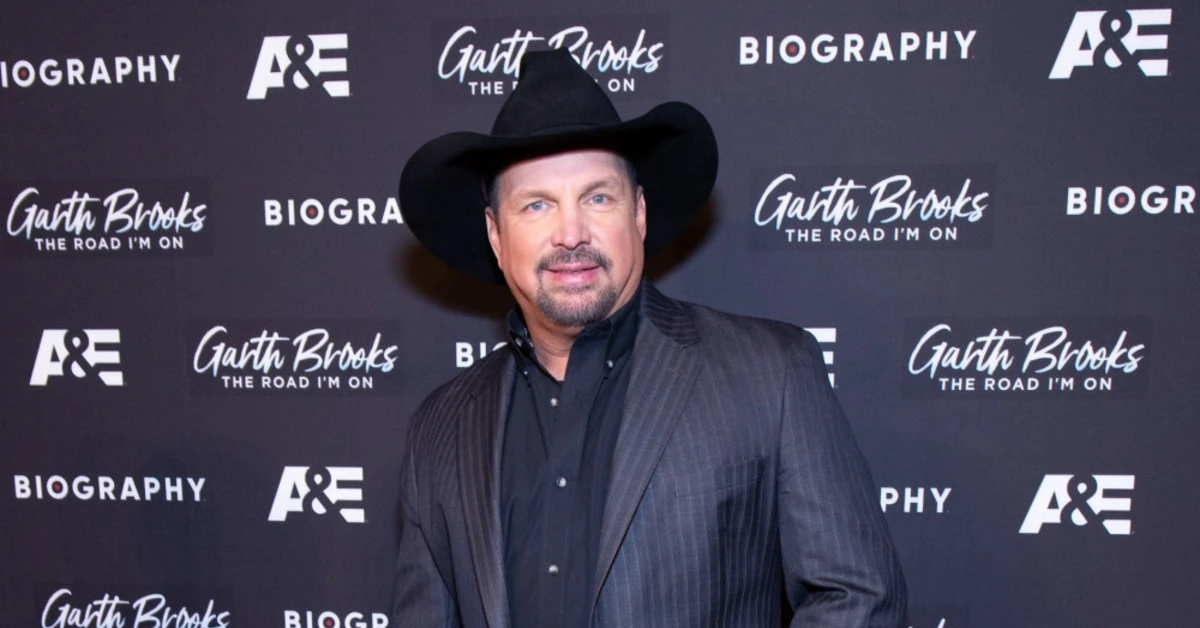
For Garth Brooks, a Grammy in 2026 would not be about standing taller than his peers. It would be about standing still long enough for the industry to recognize what has always been there — a body of work rooted in empathy, humility, and shared experience.
That is why it would mean more than a trophy.
It would be a signal that longevity still matters. That character still counts. And that in the end, the most enduring artists are not those who chase the spotlight, but those who remain worthy of it.