

Bruce Springsteen's newest release, "Streets of Minneapolis," is being described by supporters as a victory—not because it fits neatly into the usual definition of a "hit," but because it has detonated into the center of the national conversation with unusual force.
The protest song, released in late January, is framed as a tribute to Alex Pretti and Renée Good, two people whose deaths during federal immigration operations in Minneapolis have ignited widespread outrage and unrest. In announcing the track, Springsteen characterized the events that inspired it as "state terror" being inflicted on the city—language that immediately set the tone: this was not going to be a soft, symbolic statement, but an accusation delivered in plain sight.
A protest song that doesn't ask to be liked

Unlike many politically tinged releases that hedge their message in metaphor, "Streets of Minneapolis" is built to confront. Reporting on the lyrics notes that Springsteen directly targets the Trump administration's immigration crackdown and depicts federal enforcement as a kind of occupation. One of the most widely cited lines refers to ICE as "King Trump's private army," language that critics argue pushes the song from protest into provocation—and that fans insist is the point.
The song's framing is intentionally resistant to consensus. It does not offer comfort as an endpoint; it offers anger as fuel. Its verses are described as a ledger of public loss and official force, pulling Minneapolis into the role of national symbol—a place where grief, power, and politics collide in the open.
The backstory: a stage already set for confrontation
For Springsteen, the Minneapolis release did not arrive out of nowhere. Months earlier, he had already made headlines for scathing onstage remarks aimed at the current administration while opening the European leg of his tour in Manchester. Multiple outlets reported that he called the administration "corrupt, incompetent, and treasonous," presenting the moment not as casual commentary but as a moral warning delivered from the microphone.
That earlier moment matters because it helps explain why "Streets of Minneapolis" is being received as more than a song. It is being treated—by supporters and opponents alike—as a continuation of an escalating posture: Springsteen using his platform less as a place for nostalgia and more as a place for direct civic argument.
The White House response: turning pop culture into a political flashpoint
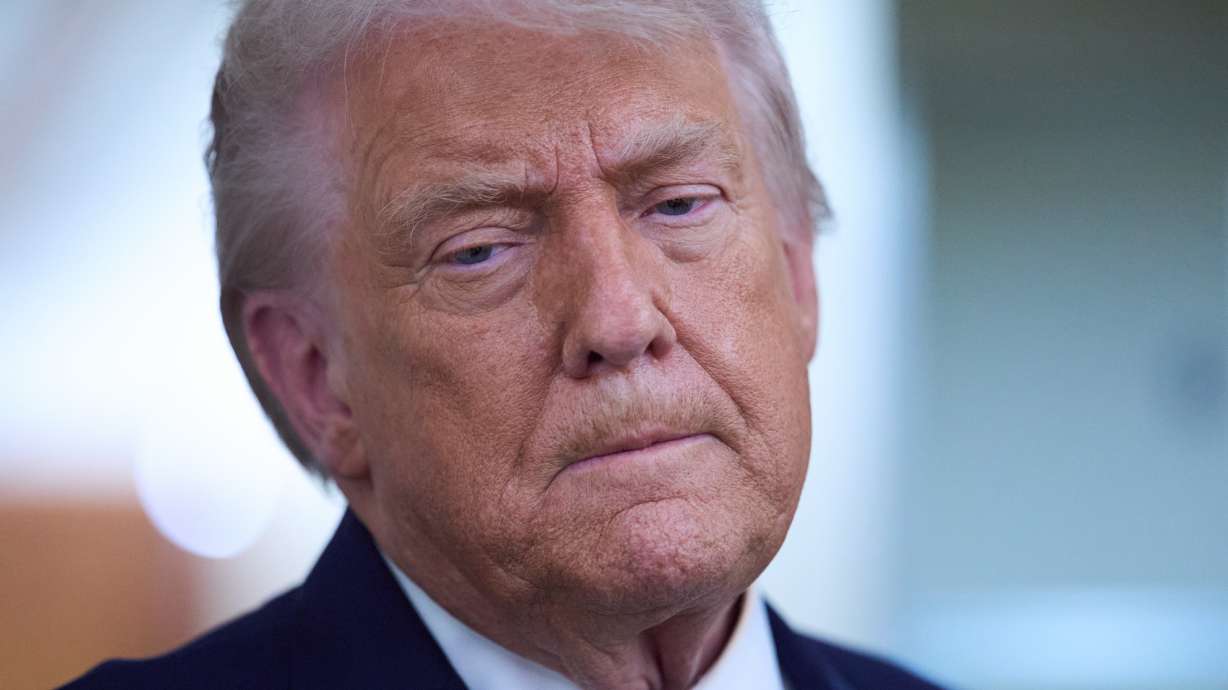
What followed the song's release was a rare and telling reaction: an official White House dismissal that didn't simply shrug the track off, but attempted to neutralize it publicly.
In a statement widely reported, a White House spokesperson characterized the song as "random," full of "irrelevant opinions," and containing "inaccurate information." The statement also pivoted to the administration's immigration narrative—arguing it was focused on urging state and local Democrats to cooperate with federal law enforcement to remove what it described as "dangerous criminal illegal aliens," while criticizing "sanctuary" policies.
That response effectively elevated "Streets of Minneapolis" from cultural commentary into political event. The exchange suggested the administration saw the song not as background noise, but as a message influential enough to warrant rebuttal—an outcome that, for Springsteen's supporters, only reinforced the track's purpose.
"Winning big"—without chasing the usual scoreboard
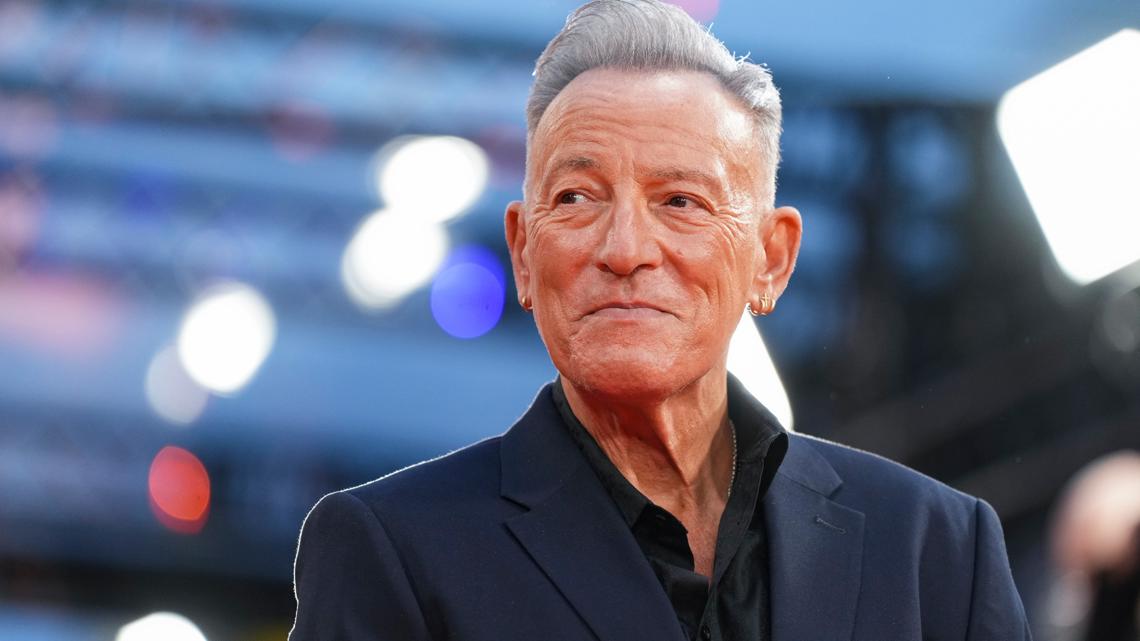
The phrase "wins big" is typically reserved for chart metrics: radio spins, streaming totals, award nominations. But the "win" being claimed here is different—measured in attention, pressure, and the discomfort the song forces into the open.
A 76-year-old rock icon is now positioned against the machinery of government messaging, with each side speaking in its own language: Springsteen in narrative and chorus, the White House in talking points and policy framing. That contrast is part of what makes the story spread. It reads like a collision between two forms of power—cultural and institutional—each trying to define what the public should feel and believe about immigration enforcement and accountability.
Why the backlash may be the point

To many fans, the White House pushback doesn't weaken Springsteen's stance—it validates it. Protest music, by definition, is not designed to be politely absorbed. It is designed to provoke reaction and keep the subject alive in public view.
And "Streets of Minneapolis" is also arriving amid broader coverage and scrutiny of federal actions in Minnesota, which has become a focal point of national debate. In that context, the song functions less like entertainment and more like a flare—an attempt to hold attention on names and events that might otherwise dissolve into the churn of headlines.
The line drawn in public
Whether listeners call it courageous or divisive, "Streets of Minneapolis" has become something rarer than a trending track: a cultural object that institutions feel compelled to answer.
On one side is Springsteen—older now, but wielding his legacy with sharper edges, using music as a demand for accountability rather than a refuge from conflict. On the other is political power responding with dismissal and mockery, attempting to reframe the story as misinformation and distraction.
That tension is why the release is being framed as a "win" even without traditional victory markers. The song has forced itself into the national bloodstream. It has turned a rock release into a public line in the sand—one that neither side seems willing to step back from.
And that is the core of the moment: "Streets of Minneapolis" isn't just a song—it's a fight the country has now been invited to witness.