

When Garth Brooks announced his return to London's Hyde Park, the reaction was immediate and unmistakable. This wasn't just another tour date. It was a homecoming—one built on decades of trust between an artist who gives everything onstage and an audience that knows exactly what that promise means.
Brooks' appearance at BST Hyde Park carries a particular weight. Hyde Park is not merely a venue; it's a proving ground, a place where global icons test whether their songs can still hold a city's breath. For Brooks, the answer has never been in doubt. His shows aren't measured by setlists or spectacle alone, but by the electricity that runs from the stage to the furthest edge of the crowd—where a chorus becomes communal and a lyric feels like a shared memory.
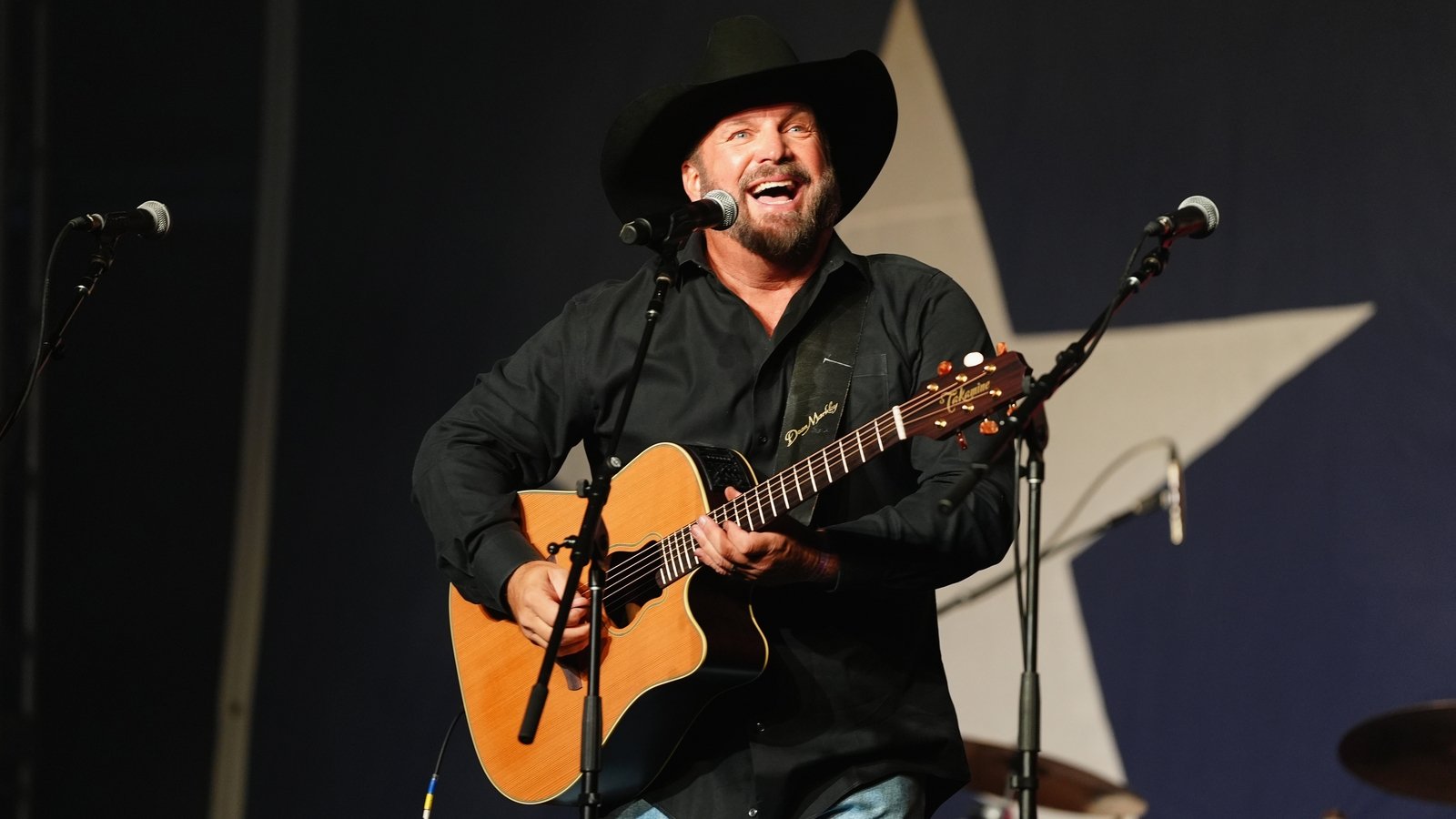
What makes this return resonate is timing. Brooks has never been an artist who chases visibility for its own sake. He arrives when it matters. In recent years, as live music has rediscovered its power to heal, gather, and remind people who they are together, Brooks' presence feels less like nostalgia and more like reassurance. The songs endure because they were built to—simple, honest, and sturdy enough to carry real life.
Hyde Park amplifies that ethos. The vast lawn, the skyline peeking through trees, the sense of history underfoot—it all suits Brooks' brand of largeness with heart. He's a stadium-filler who never forgets the person in the back. That balance has defined his career from the beginning: big hooks anchored to human truths. Whether he's roaring through an anthem or letting a quiet verse hang in the air, the point is connection, not conquest.
London audiences understand this language. Brooks' past appearances in the UK forged a bond rooted in mutual respect. Fans here don't come merely to be entertained; they come to participate. They sing. They lean in. They bring their own stories to the songs. Hyde Park, with its tradition of sing-along sunsets and hands-raised finales, becomes the perfect meeting place for that exchange.
Behind the scenes, the return also reflects Brooks' meticulous approach to live performance. He's known for treating each show as a singular event—long runtimes, relentless energy, and a willingness to adjust on the fly if the room asks for something different. It's a philosophy that prizes responsiveness over rigidity. If the crowd needs a pause, he pauses. If a chorus wants to run twice, it runs twice. The show belongs to the night, not the clock.
That philosophy has helped Brooks transcend genre lines, especially in a city as musically plural as London. Country may be the foundation, but the appeal is broader: rock intensity, pop accessibility, folk storytelling. At Hyde Park, those threads braid together under open sky, turning songs into something closer to ritual. The familiar becomes newly alive when tens of thousands decide, at the same moment, to sing the same words.
The anticipation around the Hyde Park date also speaks to Brooks' enduring relevance. In an era where attention is fragmented and trends turn over weekly, he remains appointment viewing. Not because he's everywhere, but because he isn't. Scarcity, in his case, isn't a marketing trick—it's respect for the audience. When he shows up, it's because there's something worth sharing.

As the sun drops behind the trees and the first chords ring out, the promise is simple and profound: show up honestly, and the crowd will meet you there. That's the Garth Brooks compact. Hyde Park is ready for it. London is ready for it. And for one night, a park becomes a choir—proof that some songs don't age, they gather.
Garth Brooks' return to Hyde Park isn't about reliving the past. It's about confirming a truth that has held steady across generations: when music is built on trust, it doesn't fade. It waits. And when it comes back, a city sings.