

In a media climate increasingly shaped by sharp rhetoric and competing narratives, a recent wave of online conversation has placed two highly recognizable figures at opposite ends of an unfolding cultural debate: Steve Bannon, the outspoken political strategist known for his polarizing commentary, and Bruce Springsteen, the beloved rock icon whose music has long championed honesty, dignity, and the struggles of ordinary Americans.

Though the clash is not a direct confrontation, the contrast between the two has ignited a renewed discussion about truth, storytelling, and the role of artists and political figures in shaping public consciousness.
Bannon's Claims Stir Familiar Controversy
Steve Bannon has never shied away from incendiary remarks, but his latest series of statements—criticized by many commentators as misleading or exaggerated—has drawn renewed scrutiny. Analysts and fact-checking organizations have been quick to push back, arguing that Bannon's language contributes to distrust and deepens social division.
To his critics, this is part of a familiar pattern: Bannon positions himself as a warrior in a cultural conflict, framing issues in binary terms that leave little room for nuance. Supporters say he is simply unafraid to challenge institutions. But even among political observers, there is growing acknowledgement that the rhetoric surrounding these discussions is becoming increasingly detached from verifiable reality.

Against this backdrop of tension, a very different voice has re-emerged in the public conversation.
Springsteen's Art as a Counterweight to Noise
Bruce Springsteen—"The Boss" to generations of fans—has spent more than five decades chronicling the lives of factory workers, dreamers, wanderers, and the often unseen corners of America. His songs rarely function as political manifestos; instead, they serve as truth-telling narratives, built from lived experience and emotional honesty.
At a time when public discourse often rewards outrage, Springsteen represents something increasingly rare:
a figure whose credibility stems not from ideology, but from a lifetime of storytelling rooted in empathy and personal truth.
Critics and fans alike have pointed to this contrast as a reminder of the difference between rhetorical combat and cultural resonance. While political narratives rise and fall with news cycles, Springsteen's music endures—precisely because it seeks to illuminate rather than inflame.
A Cultural Crossroads: What It Means to Tell the Truth
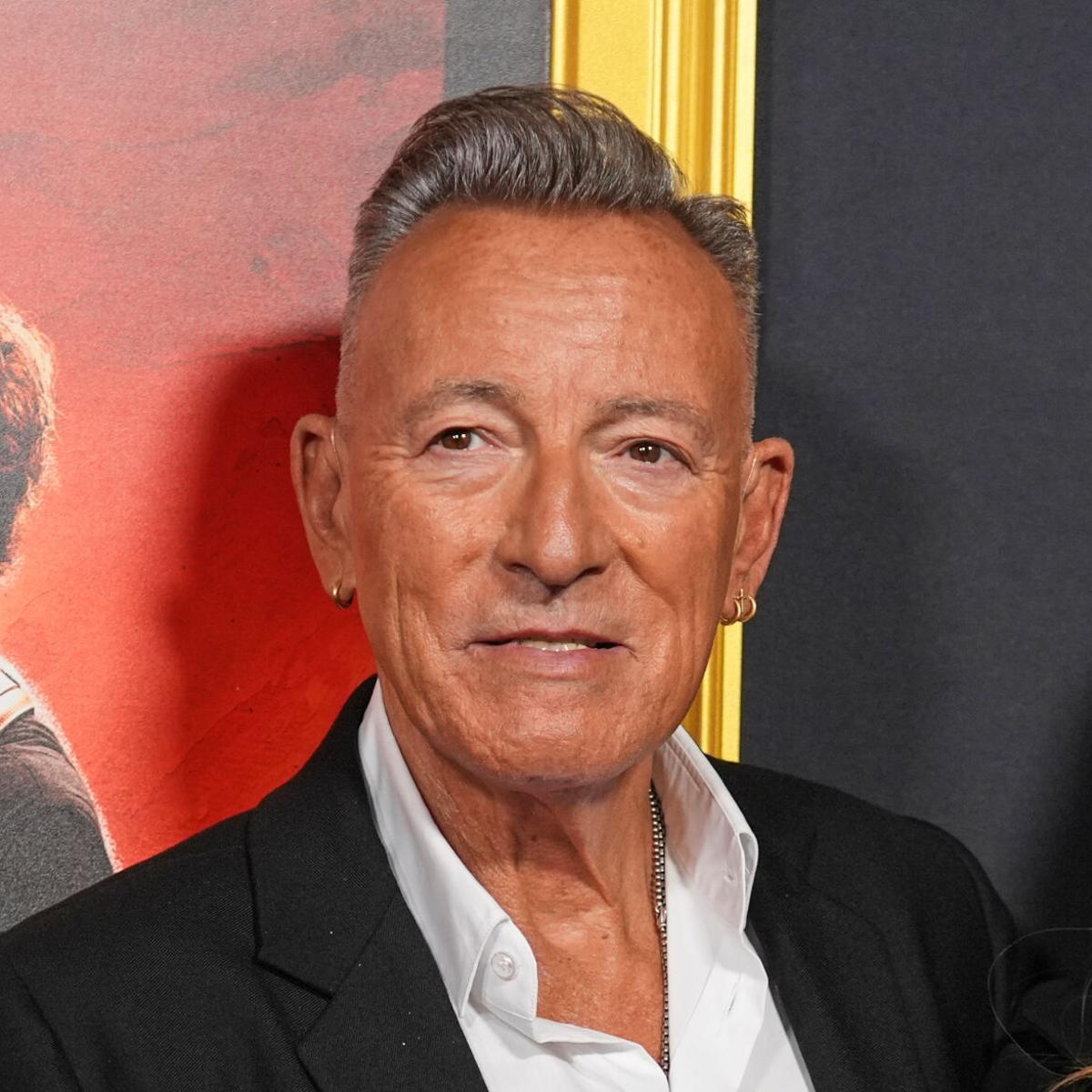
The renewed attention on Springsteen comes as younger audiences rediscover his catalog. On social media, clips of his interviews, performances, and monologues have been circulating with captions calling him a "freedom fighter"—not in the political sense, but as an artist committed to truth, vulnerability, and the complexities of American life.
For many who feel overwhelmed by the barrage of conflicting claims in the public sphere, Springsteen functions less as a rock star and more as a cultural guidepost. His authenticity offers a sense of clarity in a moment clouded by noise.
Academics studying modern political communication have noted this dynamic: when institutional trust declines, people often turn to artists and storytellers whose work reflects shared human experiences. Springsteen's influence, though not tied to partisan lines, highlights how cultural figures can help anchor public sentiment amid confusion.
Two Voices, Two Americas
The contrast between Bannon's combative assertions and Springsteen's grounded storytelling has become symbolic for some observers—a representation of two competing visions of America. One thrives on confrontation; the other on connection.
But the conversation is not about choosing sides between a strategist and a musician.
It is about understanding why Springsteen's message resonates so deeply at a time when misinformation and outrage dominate the headlines.
His truth is not the political kind.
It is the human kind.
And at a moment when many feel the country is fragmented, that kind of truth may be exactly what people are searching for.