

Washington has found itself facing an unexpected new front in the nation's ongoing political debate over federal immigration enforcement in Minneapolis: music. After Bruce Springsteen released his protest song "Streets of Minneapolis"—a track sharply critical of ICE and portraying the city as a place under siege—the Trump White House responded forcefully, dismissing the song as "random" and filled with "irrelevant opinions."
In a statement circulated to the media, the administration emphasized that its focus remained on encouraging state and local Democratic leaders to cooperate with federal law enforcement in removing what it described as "dangerous criminal illegal aliens" from their communities. The statement went on to argue that the media should instead scrutinize Democrats for refusing to work with the administration and for choosing to provide sanctuary protections.
What transformed the exchange into a national talking point, however, was not the length or tone of the White House response—but how little Springsteen said in return. Rather than engaging in a prolonged back-and-forth, the rock icon answered with just 13 words, described as brief, calm, and sufficient to convey his position without escalation.

From protest song to direct confrontation with the White House
"Streets of Minneapolis" emerged at a moment when the city had already become a flashpoint in the national conversation about federal power, immigration enforcement, and public accountability. The deaths of Alex Pretti and Renée Good had intensified scrutiny of ICE operations and triggered protests, investigations, and widespread public debate.
Against that backdrop, Springsteen's decision to release a protest song was widely interpreted as more than an artistic gesture. Many viewed it as a rapid political response—written and recorded with urgency—to what the singer has framed as fear and trauma inflicted by state authority.
The White House, rather than ignoring the song, chose to confront it head-on. By labeling the track "irrelevant," the administration attempted to reframe the conversation away from the emotional and moral questions raised by the music and back toward its established immigration narrative, centered on law enforcement and public safety.
For supporters of the administration, the response reaffirmed policy priorities. For critics, it appeared to sidestep the core issues raised by the song—namely the use of force, the human cost of enforcement actions, and the role of federal power in local communities.
Why 13 words mattered more than a full statement
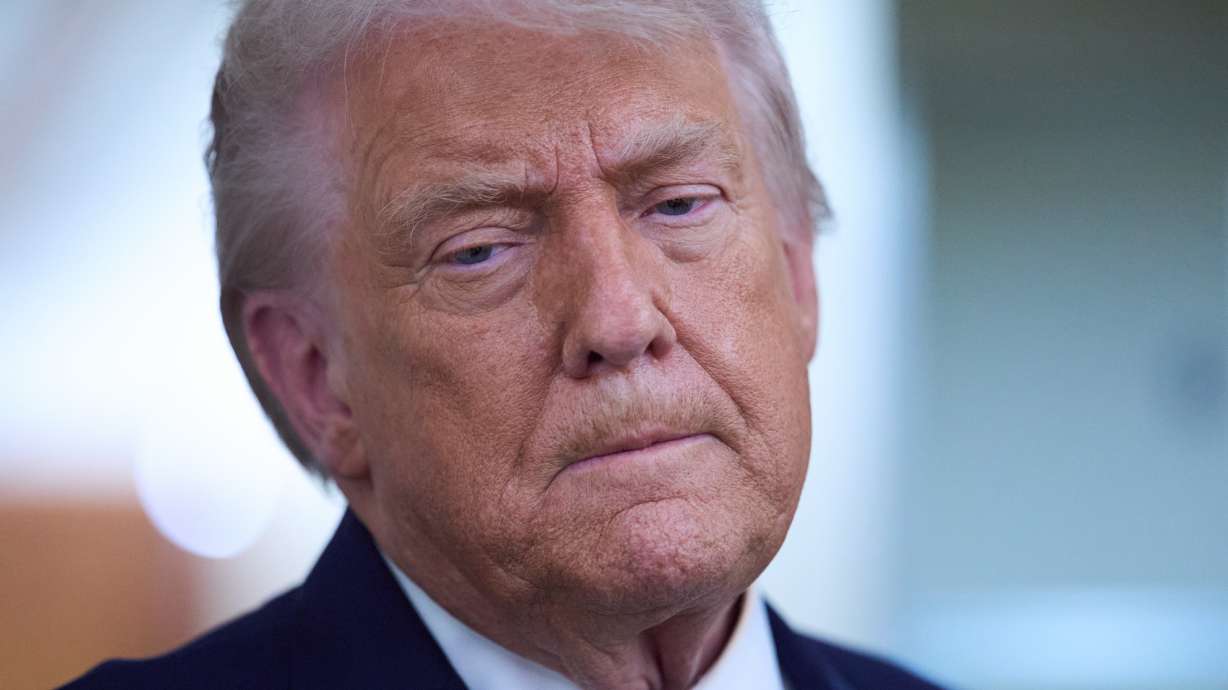
In an era dominated by social media, brevity can be a weapon. The White House statement was long, formal, and policy-driven. Springsteen's reply, by contrast, was stripped down to its essentials. Its very shortness amplified its impact.
A minimal response allowed Springsteen to avoid being drawn into a prolonged political dispute where every phrase could be parsed, reframed, or weaponized. It also reinforced his public persona: an artist who tells stories about ordinary lives and collective pain, rather than trading talking points with political institutions.
Perhaps most importantly, the contrast created intrigue. When a lengthy government statement is met with just 13 words, the imbalance invites attention. The public wants to know what was said—and why it was enough.
What "Streets of Minneapolis" is saying to America
The song positions Minneapolis not just as a city, but as a symbol. In its imagery, it becomes a place where fire and ICE collide, where enforcement and resistance exist side by side, and where the streets themselves carry memory and grief.
Protest songs have always walked a fine line. To supporters, they preserve the names of victims and prevent uncomfortable truths from being buried. To detractors, they risk politicizing tragedy and deepening division. "Streets of Minneapolis" has landed squarely in that contested space.
By calling the song "irrelevant," the White House attempted to diminish its cultural weight. Yet the very act of responding suggested the opposite: the song mattered enough to warrant an official rebuttal.
The 13 words — a creative response in spirit
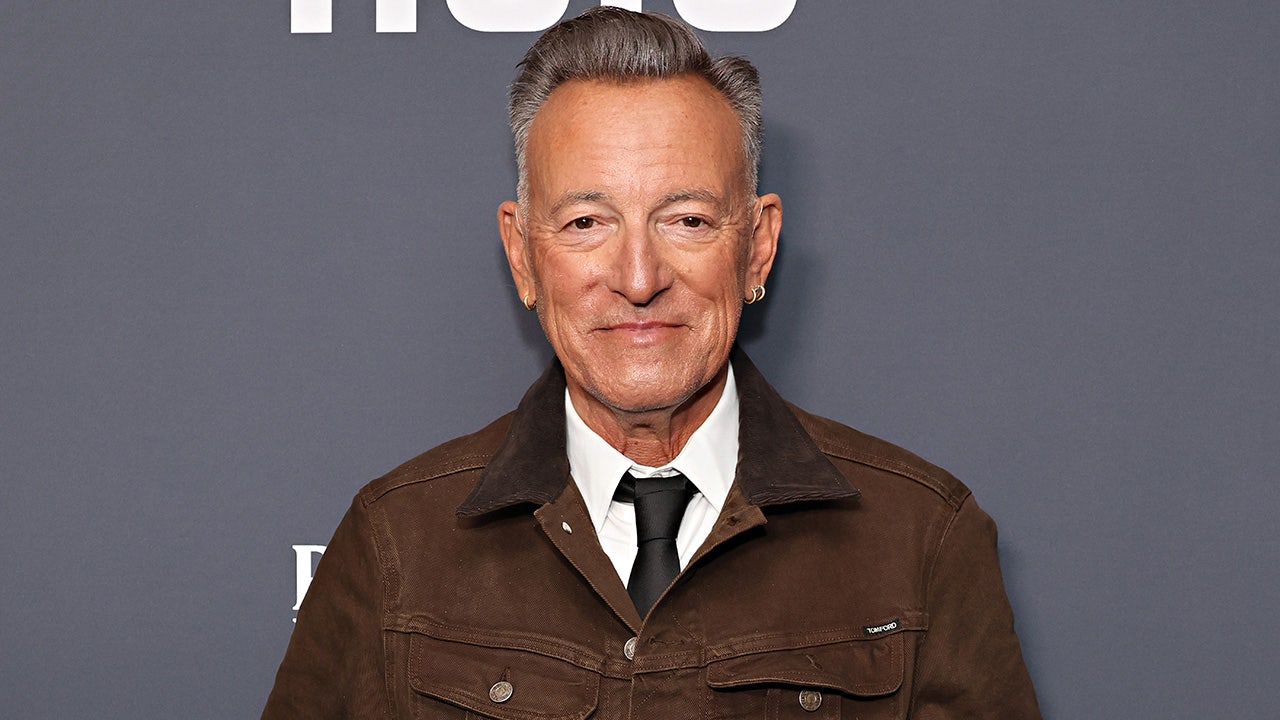
Based on the description of Springsteen's reply as restrained, calm, and conclusive, here is a 13-word response that reflects that spirit:
"I wrote it for the dead, the living, and the truth—nothing more today."
Thirteen words. No insults. No policy debate. Just a statement of intent.
When music becomes a political fault line
The clash between the White House and Springsteen underscores a larger reality: in moments of national tension, music stops being neutral. It becomes a mirror, reflecting fears, values, and divisions already present in society.
Whether listeners hear "Streets of Minneapolis" as a necessary act of remembrance or as an unwelcome provocation depends largely on where they stand politically. But the exchange itself reveals something deeper. Art still has the power to unsettle institutions, provoke official responses, and redirect public attention.
Sometimes, it doesn't take a speech or a manifesto to do that. Sometimes, 13 words are enough to keep a national argument alive for days.