

A Trailer That Sparked Immediate Buzz
Netflix has released the official trailer for Tim McGraw: The Stories That Forged a Generation, and the response was swift. Within hours, the preview circulated widely across entertainment media and fan communities, signaling strong interest in what appears to be a deeply emotional and reflective music documentary. From its opening frames, the trailer establishes a tone that is quiet, personal, and deliberate—suggesting a project less concerned with spectacle than with meaning.
Rather than racing through career highlights, the trailer lingers on moments of stillness, archival imagery, and voiceover reflections. The message is clear: this documentary aims to explore not just what Tim McGraw achieved, but how and why his music came to resonate with so many people for so long.
Beyond Fame: A Story Rooted in Experience
Tim McGraw's career spans decades, chart-topping hits, and sold-out tours, but the documentary frames his success as the result of lived experience rather than industry calculation. According to the trailer, the film traces McGraw's journey from small-town beginnings to global recognition, emphasizing the choices he made when expectation and instinct were not always aligned.
His songs—often centered on love, loss, responsibility, and redemption—are presented as extensions of his own story. The documentary suggests that McGraw's appeal lies not in reinvention for its own sake, but in consistency: a willingness to tell the truth as he understood it at each stage of life. In doing so, his music became a soundtrack for audiences navigating similar transitions.
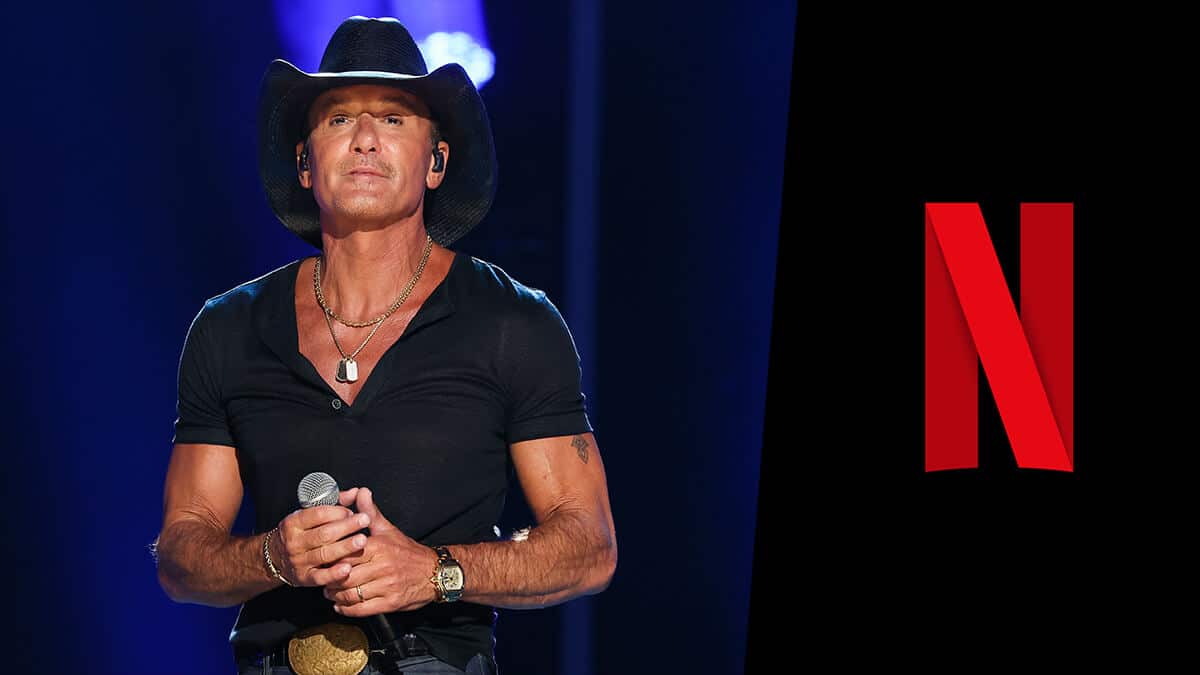
Rare Footage and a More Personal Lens
What sets The Stories That Forged a Generation apart, based on early footage, is its promise of intimacy. Netflix highlights rare behind-the-scenes material and candid reflections that place viewers closer to McGraw than traditional concert documentaries typically do.
The film appears to explore moments of uncertainty—creative risks, career crossroads, and personal challenges—alongside professional milestones. This balance suggests an effort to present McGraw not as a flawless figure, but as a working artist shaped by doubt, discipline, and determination. The result is a portrait that feels human rather than heroic.
Shaping Modern Country Music
The documentary also positions McGraw as a defining voice in modern country music, particularly during periods when the genre was evolving rapidly. As the trailer hints, McGraw's storytelling helped bridge traditional country values with contemporary sensibilities, making his music accessible to a wider audience without losing its emotional core.
Industry observers have long noted McGraw's influence on a generation of artists who followed—performers who learned that vulnerability could coexist with commercial success. The film appears to contextualize his impact within this broader evolution, showing how his choices helped shape the sound and storytelling priorities of country music over time.
Nostalgia for Longtime Fans, Discovery for New Viewers
For longtime fans, the documentary promises moments of nostalgia—familiar songs, remembered tours, and the emotional weight of music tied to personal memories. But the trailer suggests the film avoids sentimentality for its own sake. Instead, it treats the past as a foundation, using it to explain the present rather than simply celebrate it.
For newer audiences, the documentary offers an entry point into why McGraw's music continues to feel relevant. By focusing on story rather than statistics, the film invites viewers unfamiliar with his catalog to understand the emotional logic behind his longevity.
A Legacy Examined, Not Sealed
One of the more striking implications of the trailer is that the documentary does not frame McGraw's career as complete. While it reflects on decades of work, it presents his legacy as something still unfolding—shaped by reflection, maturity, and an ongoing relationship with his audience.
This approach aligns with McGraw's public image in recent years: less focused on dominance and more on purpose. The film seems intent on capturing that shift, portraying an artist who has moved from proving himself to understanding himself.
Craft Over Spectacle
Visually, the trailer suggests a restrained aesthetic. Soft lighting, unhurried pacing, and carefully chosen archival clips reinforce the idea that this is a story meant to be absorbed rather than consumed quickly. Music is used sparingly, allowing silence and spoken reflection to carry emotional weight.
That creative choice reinforces the central theme implied by the title: the stories matter as much as the songs. The documentary positions McGraw's catalog as a body of work shaped by observation, empathy, and personal accountability.
Anticipation Ahead of Release
As Netflix prepares for the release of Tim McGraw: The Stories That Forged a Generation, expectations are building. Early reactions to the trailer suggest that the film may offer a more nuanced understanding of McGraw's place in American music—one that goes beyond accolades to examine influence, intention, and connection.
When the documentary arrives, it appears poised to do more than revisit familiar hits. It aims to explore the human experiences that gave those songs their staying power. For fans and first-time viewers alike, this is shaping up to be a documentary that doesn't just recount a career—but invites audiences to feel the stories that shaped it.