

A Nashville announcement that signals something bigger than a tour
NASHVILLE, Tennessee — Jon Bon Jovi has officially announced his 2026 World Tour, a sweeping international run that he describes as more than a concert schedule. In a statement released alongside the announcement, the rock legend framed the tour as an emotional celebration—one rooted in resilience, connection, and the long arc of a career that began in New Jersey and grew into a global soundtrack for multiple generations.
"Every night, I still feel that same fire," Bon Jovi said. "These songs carry our stories — the highs, the scars, the hope. This tour is about standing together and remembering why music matters."
The language of the announcement set the tone immediately: this is not being marketed as a routine return to the stage, but as a shared experience built around memory and meaning—an invitation to fans to reconnect with the songs that have accompanied their lives for decades.
From New Jersey roots to a world-stage legacy
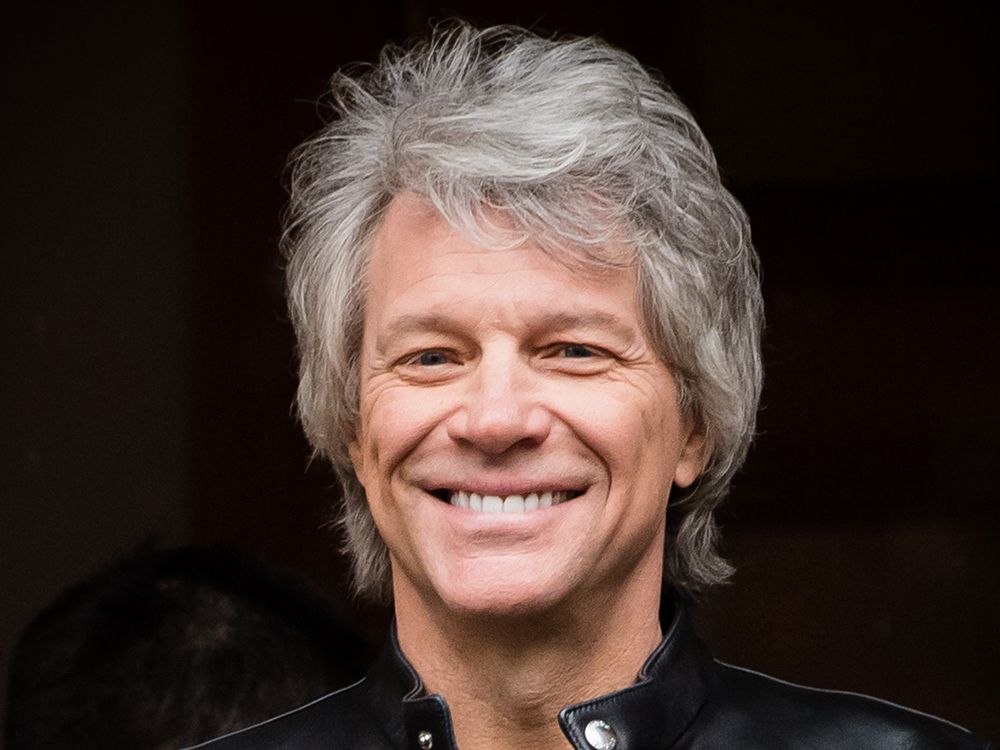
Bon Jovi's career has often been described through its reach—hit records, arena tours, and the kind of name recognition that stretches across borders. But the tour announcement emphasizes the path behind that reach: a long journey from New Jersey beginnings to the largest stages in the world.
For many fans, the band's rise was never just about chart performance. It was about identification. The music spoke directly, without irony, offering stories of working through hardship, holding onto belief, and refusing to collapse when life hits hard. Over time, those themes became part of Bon Jovi's identity as an artist: not only a frontman, but a voice people turn to when they need something steady.
In that context, the 2026 World Tour is being framed as a milestone—not simply because of its size, but because of what it represents: the continuation of a decades-long relationship between an artist and an audience that has grown up together.
A three-continent run: North America, Europe, and Australia
According to the announcement, the 2026 tour will span North America, Europe, and Australia, positioning it as a major global undertaking. That scale signals confidence and ambition, but the messaging around it suggests the goal is not just reach—it's reconnection.
Bon Jovi's statement focuses less on spectacle and more on emotional continuity: the idea that a song written decades ago can still feel current because the feelings inside it never truly age. For fans, a world tour is a rare chance to step back into those emotions in real time, surrounded by strangers who somehow know the same words by heart.
And for an artist whose catalog is built on anthems meant to be sung collectively, a large-scale international tour is not just feasible—it's almost inevitable.
The setlist promise: timeless anthems and newer reflections
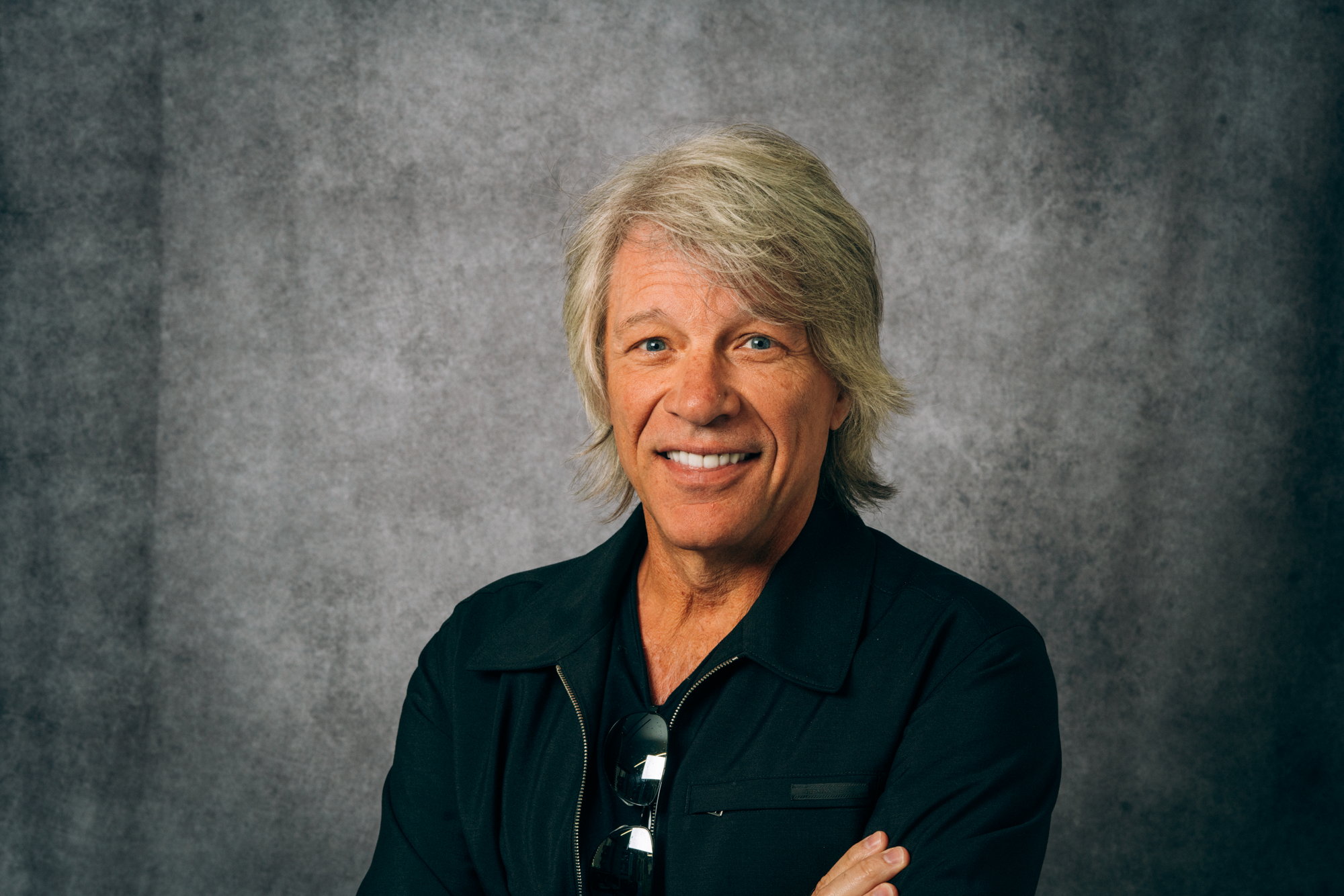
The tour will blend what the announcement describes as "timeless anthems" — including "Livin' on a Prayer," "Always," and "It's My Life" — with newer material that reflects Bon Jovi's evolution as an artist and storyteller.
That combination matters. For long-time fans, the classics are the emotional backbone: songs tied to first cars, late nights, broken hearts, weddings, recoveries, and the private moments people don't normally share. But the inclusion of newer work signals something else: a refusal to be frozen in nostalgia.
The tour is being positioned as a journey through sound and time—moving between the songs that built Bon Jovi's legacy and the music that reflects who he is now. In the language of the announcement, the goal is not simply to replay a greatest-hits reel, but to tell a broader story: how an artist changes, and how the audience changes with him.
"A night of unity and reflection": what fans say they want from this moment
Even before full details are laid out publicly, fan reaction has been framed in the announcement as intensely emotional. Supporters are calling it "a night of unity and reflection," suggesting they see the event as more than entertainment. In an era where live events can feel fragmented—audiences filming more than singing—there is still something uniquely communal about a Bon Jovi crowd: the shared belief that the songs are meant to be lived together, out loud.
That desire for unity is not accidental. Bon Jovi's catalog is filled with lines that sound like personal vows—about holding on, standing up, refusing to quit. When those lines are shouted by thousands at once, the concert becomes a kind of public ritual: strangers aligning around a shared message, even if only for a few hours.
For many, that is what "why music matters" looks like in real time.
Resilience as the theme: scars, hope, and the lives inside the songs

Bon Jovi's quote emphasizes three words that carry the tour's emotional thesis: highs, scars, and hope. It's a compact way of describing why his music has stayed relevant: it doesn't pretend life is clean. It acknowledges bruises, then insists on forward motion.
By framing the tour around resilience, Bon Jovi is not only speaking about his own career endurance. He is speaking to the audience's endurance—the idea that fans have also lived through decades of change and challenge, and that the music has accompanied them through it. This is why the songs "carry our stories," as he put it: because people have attached their own meaning to them, year after year.
In that sense, the 2026 World Tour is being presented as a celebration of mutual survival: an artist still feeling "the same fire," and an audience still willing to meet him there.
What comes next: anticipation, details, and a shared countdown
With the announcement made, attention now turns to the next steps—dates, venues, ticket timing, and the shape of the show itself. But even without the full logistical rollout in view, the tour's emotional framing has already done its job: it has created a sense of anticipation that isn't purely transactional.
For fans, the 2026 tour is being positioned as a chance to step into a living timeline—one that stretches from New Jersey roots to global stages, from youth to adulthood, from first listens to lasting meaning. And for Jon Bon Jovi, it reads as a message to the world that the story is not over.
The fire, he says, is still there. And in 2026, he plans to bring it back—city by city, continent by continent—until the crowd becomes the chorus again.