

When a 37-year-old Minneapolis mother was fatally shot by a U.S. Immigration and Customs Enforcement (ICE) agent on a chilly morning this January, the nation once again found itself grappling with the human toll of controversial enforcement operations. The killing of Renee Nicole Good, a mother described by friends and family as warm-hearted and devoted, sparked protests, grief, and a fierce national debate over the use of force by federal authorities.
In the days after the tragedy, scores of online fundraisers sprang up — some raising money for the victim's family, others controversially supporting the officer involved. But one response stood out not for its headline size alone, but for its message: country music legend Garth Brooks announced a $750,000 donation to the "Remembering Renee Nicole Good" fund, and went further than nearly anyone expected in pledging long-term support for Good's young children.
A Tragedy That Reverberated Nationwide
On January 7, federal officers with ICE were conducting enforcement operations in south Minneapolis when officers and local residents clashed. Video evidence and eyewitness accounts quickly circulated showing chaotic scenes and a fatal shooting, which authorities said occurred after Good's vehicle made contact with an agent. Federal officials argued the officer acted in self-defense — a claim that local leaders, video analyses, and community advocates disputed.
Police and fire reports later detailed multiple gunshot wounds that Good sustained, shocking observers and fueling nationwide protests. Thousands took to the streets in Minneapolis and other cities like New York, Boston, and Seattle, demanding accountability and a full, independent investigation into the shooting.
Good's family, represented by a civil rights law firm known for its work in high-profile cases, has pushed for transparency and justice, even as federal officials maintain the shooting will be evaluated under internal review processes.
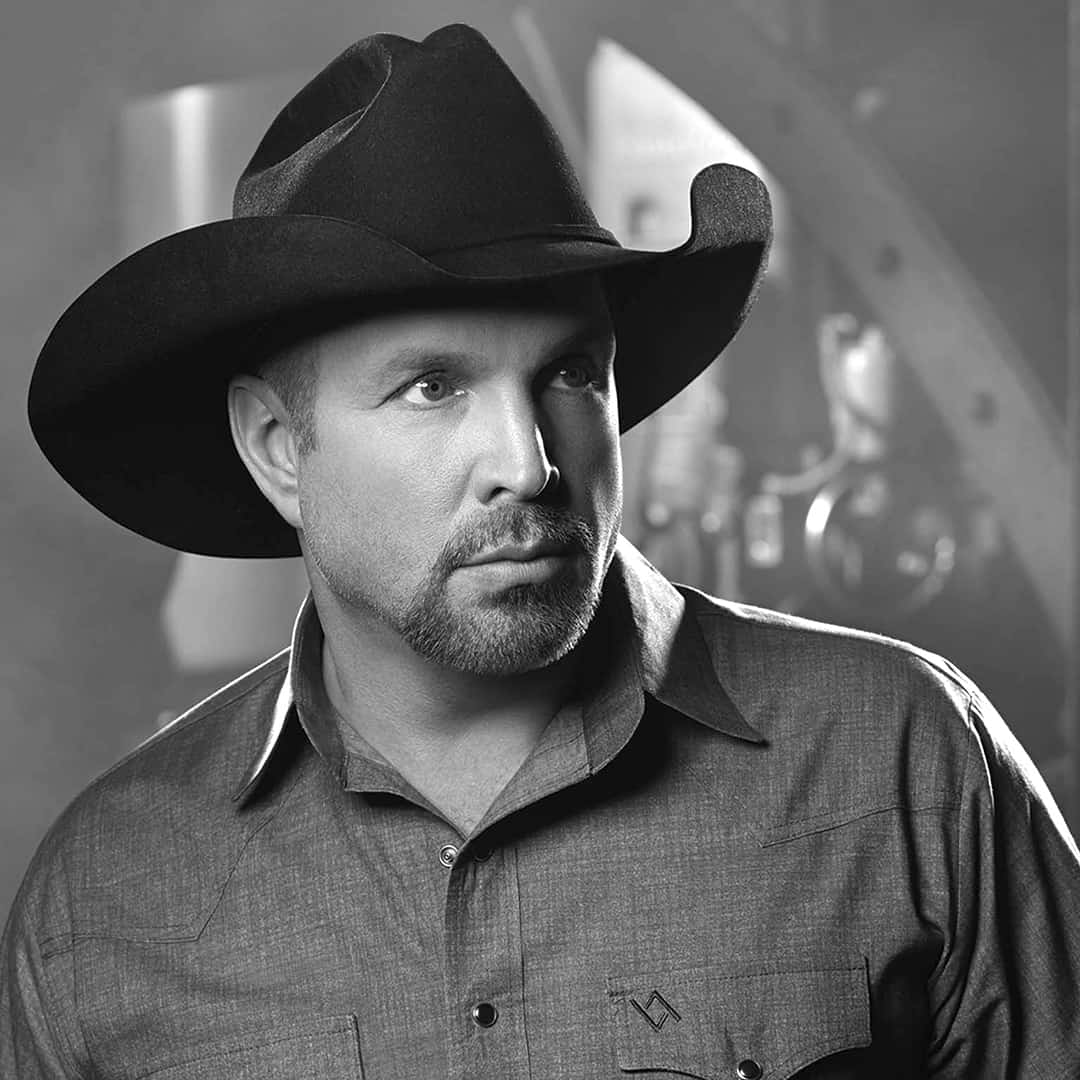
Garth Brooks' Gesture: Money and Meaning
Amid the public outcry and political division, Brooks' announcement landed like a calm — and compassionate — ripple in a stormy sea. In a statement released through his foundation, he confirmed a $750,000 donation to the "Remembering Renee Nicole Good" fund, established to cover funeral expenses and immediate family needs. But he didn't stop there.
In remarks shared with reporters, Brooks said he would establish a trust specifically for Good's youngest children, pledging support for their education and wellbeing into adulthood. The gesture — financial, personal, and long-term — has drawn praise from across the political and cultural spectrum.
"What happened in Minneapolis was heartbreaking," Brooks said. "We're talking about a mother, a beloved daughter, a creative spirit, and three children whose lives have been changed forever. Money helps now — but long-term care and stability can shape a child's future. That's where our community needs to stand."
Many observers noted that while celebrities and public figures often donate to causes in times of crisis, Brooks' pledge was unusual for its depth: a sustained commitment to a child left orphaned by a national incident. Gill's involvement — infused with personal responsibility rather than public relations calculation — helped shift part of the conversation toward empathy over rhetoric.
Nationwide Voices Respond
Reaction to Brooks' announcement came quickly.
Civil rights advocates hailed the pledge as "a model of conscience and care," noting that it emphasized human impact over political point-scoring. Several commentators noted that the family's decision to put children first, rather than fuel division, reflected values resonant with communities across the country.
"I didn't know her," one protester told local media from a Minneapolis vigil for Good. "But watching someone like Garth Brooks step forward — it reminds me that this isn't a political football. This is about people and families."
Not everyone agreed with the broader political framing of the incident, and the protest movement itself has drawn contentious debate from supporters of tougher enforcement. But even critics acknowledged the emotional gravity of a tragedy that left three young children without their mother, creating a space where compassion crossed political lines.

Legacy, Leadership, and Community
Brooks' response also sparked discussion within the entertainment industry about the role of artists and influencers in public life. Known for hits that explore honesty, vulnerability, heartbreak, and resilience, Brooks is no stranger to writing about human experience. His decision to step into public discourse in a moment like this therefore resonated with fans and critics alike: it wasn't political posturing — it was personal belief translated into action.
Many observers pointed out that what mattered most wasn't just the sum of the donation, but the intent behind it — a promise to help children build a life amidst sudden loss. In an era of divisive headlines and polarized narratives, that kind of intentional support is rare.
"Music doesn't just tell our stories," Brooks said in a rare public comment about the incident. "Music makes us take time to feel them too. When life shakes a community, the work isn't done in news cycles — it's done in the quiet acts that tether us back to each other."
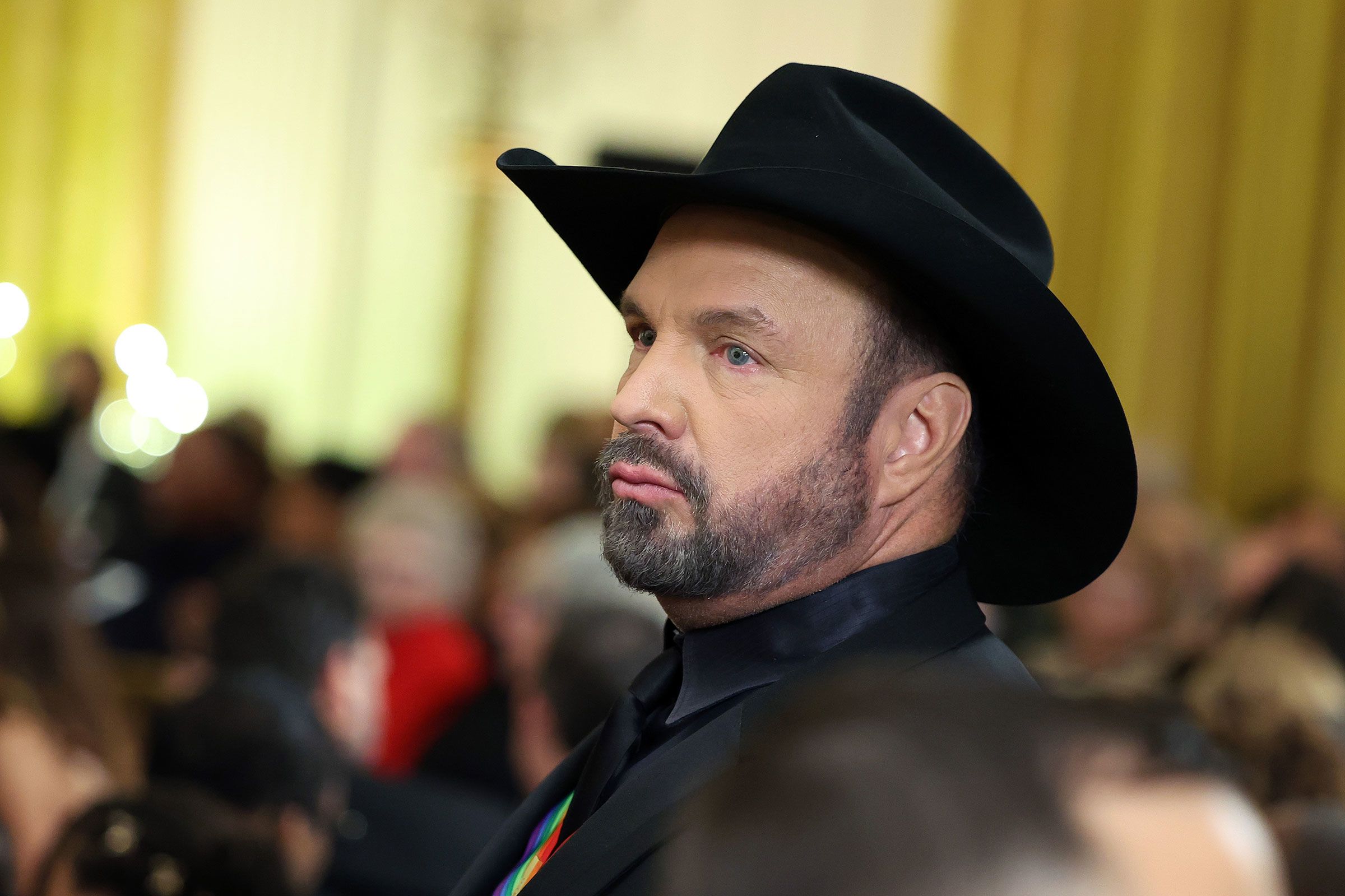
What Comes Next
As investigations into the Minneapolis shooting continue — with local, federal, and legal scrutiny ongoing — Brooks' contribution has become part of a larger discourse about accountability, empathy, and community responsibility.
Good's family has expressed appreciation for the outpouring of support, noting that while nothing can replace their loved one, the solidarity shown by friends, neighbors, and now national figures like Brooks matters.
In a time marked by headlines and angles, Brooks' gesture has reminded a nation that beneath every story are real people with real families, and that sometimes, the response that resonates most deeply isn't tied to politics, but to shared humanity.
In supporting the Remembering Renee Nicole Good fund and pledging long-term care for her children, Garth Brooks has turned tragedy into a form of hope — showing that even in loss, the seeds of compassion can grow into something lasting.