

When success is loud, but the soul is restless
Jon Bon Jovi has spent much of his life in places designed for noise—stadiums that shake, choruses sung back by tens of thousands, and a career measured in charts, tours, and iconic hits. From the outside, it is the kind of life that seems to answer every question before it is even asked. And yet, in recent reflections, Bon Jovi has spoken about a deeper search that ran beneath the surface of achievement: a longing for peace that success alone did not deliver.
In a culture that treats visibility as victory, his message lands with unusual weight. The applause can be real. The milestones can be historic. But the inner life—the quiet spaces no audience sees—can remain unsettled. Bon Jovi has described that tension as a turning point, one that pushed him away from chasing the next peak and toward something harder to quantify: restoration.
The turning inward: a journey that fame could not complete
:max_bytes(150000):strip_icc():focal(745x0:747x2)/jon-bon-jovi-people-2-6aa8d4493b5e4e51a0d493eddefa8c63.jpg)
Bon Jovi's story has often been told as an American arc—working-class roots, relentless ambition, then global recognition. But as he has shared it, the more personal chapter is not about climbing higher. It's about looking inward.
The idea he returns to is simple: even when a person achieves what they once believed would make them whole, the heart can still feel unfinished. Pressure doesn't vanish with success; it can multiply. Expectations grow. Public life narrows private space. And temptations—whether they come as ego, escape, or distraction—often arrive not when things are falling apart, but when everything appears to be working.
In that environment, Bon Jovi has spoken about realizing that peace is not something you can manufacture through momentum. It has to be received, practiced, and protected.
Faith in Jesus Christ as a steady center
At the core of his reflections is a spiritual claim: that faith in Jesus Christ became a steady source of grounding and renewal in his life. He has described belief not as a trophy or a public identity, but as an anchor—something that holds when the external world is unstable or overwhelming.
In the way Bon Jovi speaks about it, faith is not a shortcut around pain. It is a perspective that changes how pain is carried. It reframes achievement, reduces the illusion of control, and challenges the idea that a life is only as valuable as its visible success.
For someone who has lived much of his adult life under bright lights, that shift matters. It suggests a move from being defined by performance to being formed by conviction.
Pressure, temptation, and hard-earned lessons

Bon Jovi's story, as he frames it, is not a clean line from struggle to serenity. It includes seasons marked by pressure, temptation, and hard-earned lessons—periods when the demands of a public career collided with the personal cost of maintaining it.
Fame, at its peak, can distort reality. It can surround a person with constant affirmation while quietly eroding honesty. It can offer access to anything while withholding the one thing many people crave most: real rest. When Bon Jovi speaks about the need for renewal, he is pointing to an experience many recognize in smaller forms—living fast, succeeding publicly, and yet feeling internally off-balance.
Returning to faith, he has shared, brought a kind of clarity that didn't come from larger crowds or bigger goals. It offered a steadier measure of what matters and what doesn't, and a path back to balance.
Humility and grace: a different definition of strength
One of the most striking themes in Bon Jovi's reflections is the idea that true restoration is not found on the biggest stage, but in humility and grace. In the public imagination, rock stardom is often associated with control—commanding the room, owning the moment, being larger than life.
But humility moves in the opposite direction. It asks a person to accept limits, to stop pretending they can carry everything, and to admit that some healing requires surrender. Grace, similarly, suggests a kind of mercy—undeserved, unpurchased, and unearned by success.
Bon Jovi's spiritual framing is essentially a counter-narrative to celebrity culture. It suggests that the soul is not satisfied by attention, and that the deepest transformation often happens out of view.
When belief shapes not just the music, but the man
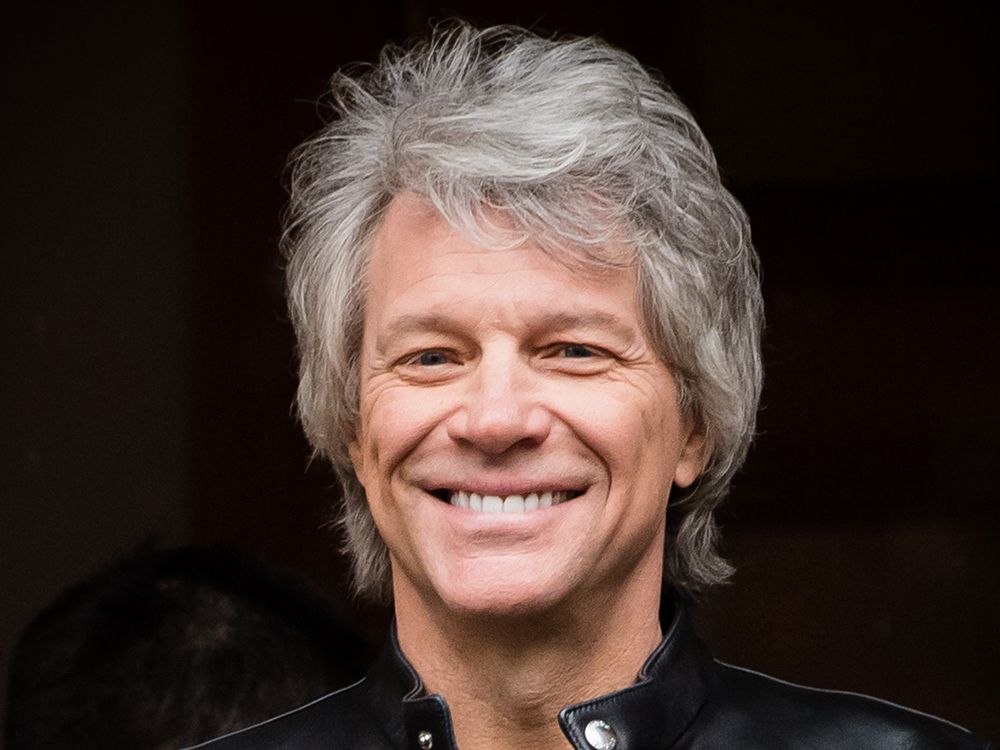
Bon Jovi's songs have long carried themes of struggle and resilience—of getting knocked down and standing back up, of holding onto love, of refusing to quit. For years, fans have connected to that spirit as motivation. But in his own telling, faith began to shape not only the message of the music, but the person behind it.
That does not necessarily mean every lyric becomes a sermon. It means the internal posture changes: the purpose of work, the way relationships are prioritized, the definition of success, and the understanding of what it means to be "whole." In this view, music can tell part of the story, but belief gives the story its meaning.
For many readers, that idea resonates because it is not limited to fame. Anyone can recognize the difference between living for external approval and living from internal stability.
A quiet reminder in a noisy world
There is something culturally provocative about a rock icon pointing to faith as a source of peace. It challenges the myth that fulfillment can be achieved through scale—bigger stages, bigger numbers, bigger legacy. Bon Jovi's reflections argue that fulfillment is often found in the opposite direction: smaller spaces, truer relationships, deeper grounding.
In a world that rewards constant output, the spiritual language of renewal and restoration sounds almost radical. It suggests that a person is allowed to step back, to recalibrate, and to measure life by more than productivity and praise.
The meaning behind the music
Ultimately, the message Bon Jovi has shared is not that success is meaningless, or that music has no power. It is that music—like any outward achievement—cannot substitute for inner peace. The songs may tell the story of a life, but faith, in his words, is where that story finds its meaning.
The restoration he describes is not about image. It is about alignment: a life grounded in something steady, shaped by belief, and sustained by humility and grace.
And in that quiet contrast—between roaring success and inward peace—Bon Jovi's journey offers a reminder many people need to hear: the biggest stage is not always where the deepest healing happens.